Periodontitis: Causes, Symptoms, Health Risks, and Treatments
Periodontitis is a common but serious gum infection that can damage not just your mouth but also your overall health. Many people mistake it for “just bleeding gums,” but left untreated, periodontitis can cause tooth loss and even increase your risk for certain systemic diseases. Understanding what it is, what causes it, and how it can be treated is the first step to protecting your smile.
What is Periodontitis?
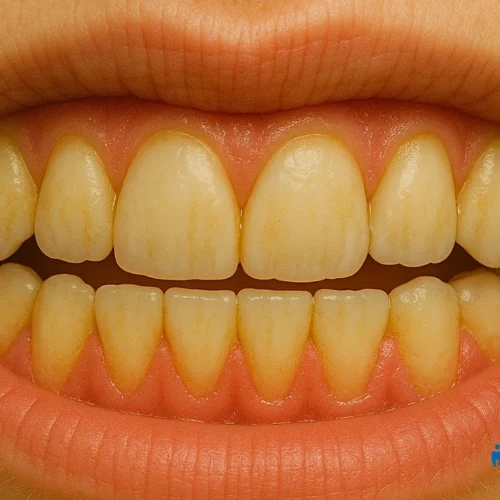
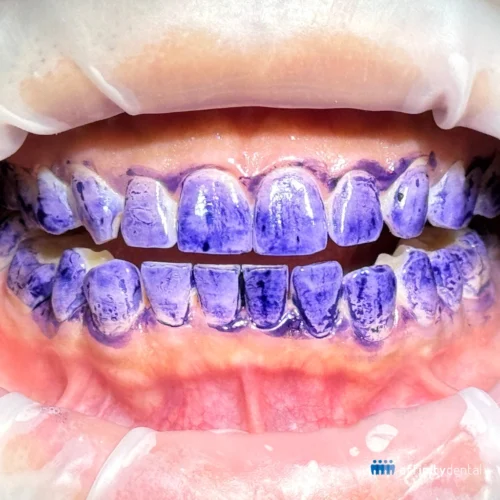
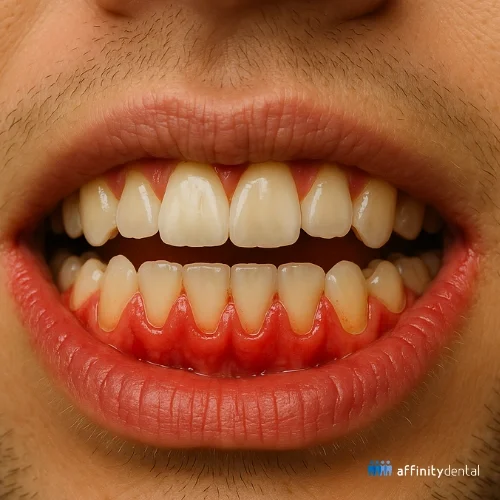
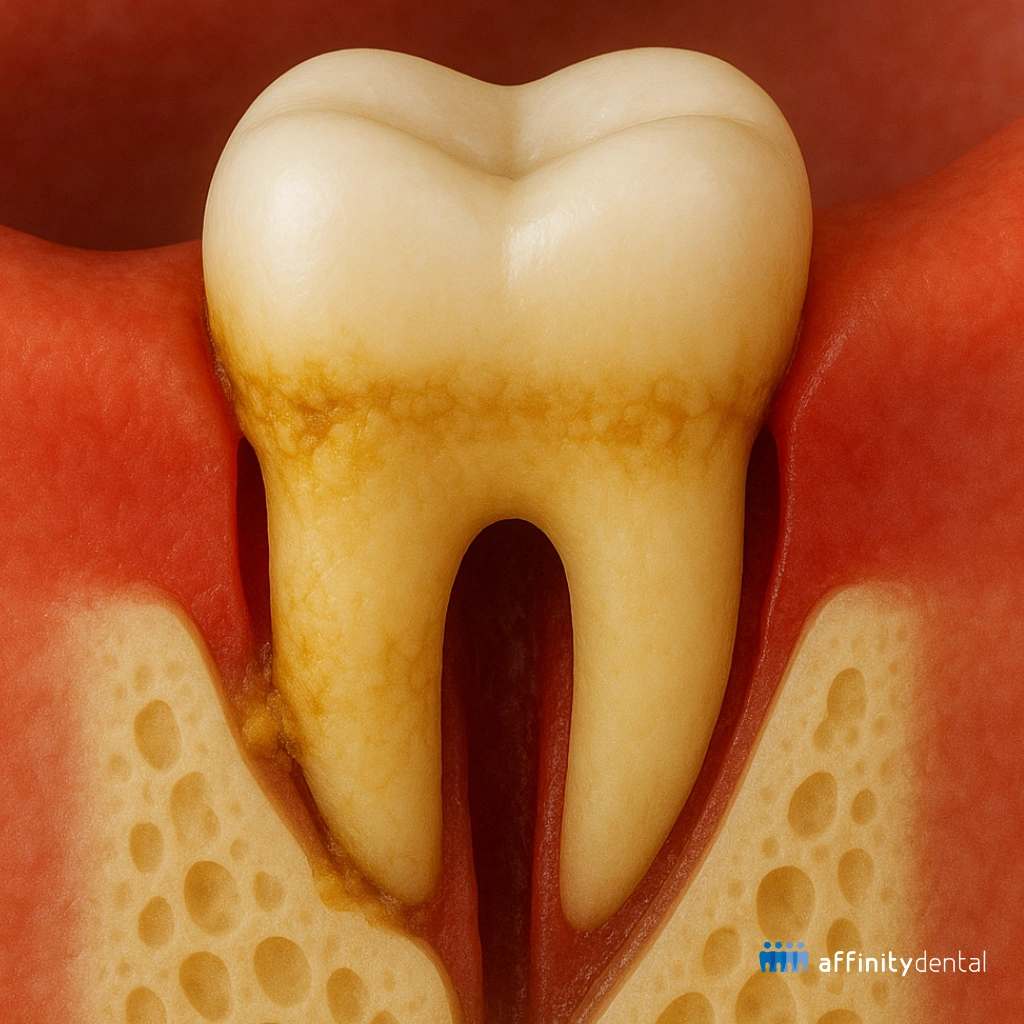
Periodontitis is an advanced form of gum disease. It begins when plaque—a sticky film of bacteria—builds up on the teeth and hardens into tartar. Over time, this causes inflammation of the gums, leading to gingivitis, the earliest stage of gum disease. If gingivitis is left untreated, it progresses into periodontitis, where the infection spreads deeper into the tissues and bone supporting your teeth.
What Causes Periodontitis?
Several factors can increase your risk of developing periodontitis, including:
- Poor oral hygiene – Not brushing and flossing regularly allows plaque to build up.
- Smoking – One of the strongest risk factors, it weakens gum tissue healing.
- Genetics – Some people are more prone to gum disease due to inherited factors.
- Medical conditions – Diabetes, autoimmune diseases, and certain medications can affect gum health.
- Hormonal changes – Pregnancy, menopause, and hormonal fluctuations can make gums more sensitive.
- Stress and lifestyle – Chronic stress, poor nutrition, and lack of sleep can lower immunity and worsen gum disease.
Symptoms of Periodontitis
The signs of periodontitis can be subtle at first but become more obvious as the condition worsens. Watch out for:
- Swollen, tender, or bleeding gums
- Persistent bad breath (halitosis)
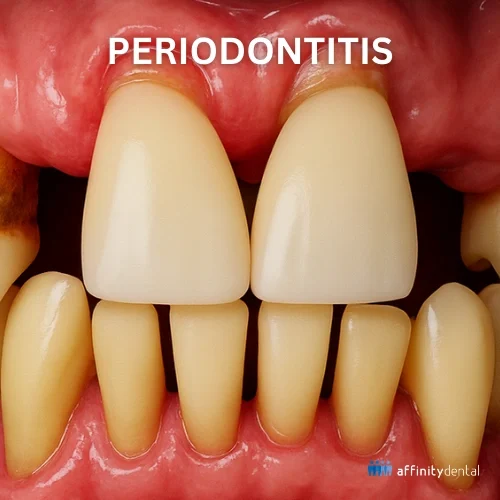
- Gum recession (teeth look longer)
- Loose or shifting teeth
- Pain when chewing
- Pus between teeth and gums
It’s important to note that gum disease is not always painful in the early stages, which is why many patients don’t realize they have it until it has progressed.
How Periodontitis Affects Overall Health
Periodontitis doesn’t just affect your teeth and gums—it can have systemic consequences. Research has linked gum disease to:
- Heart disease and stroke – Bacteria from infected gums can enter the bloodstream, contributing to cardiovascular problems.
- Diabetes – Gum disease makes blood sugar harder to control, and diabetes can worsen gum infections.
- Respiratory issues – Inhaling bacteria from the mouth may aggravate lung conditions.
- Pregnancy complications – Severe gum disease has been associated with premature birth and low birth weight.
This makes early diagnosis and treatment especially important—not only for your smile but also for your overall health.

How Periodontitis Can Be Treated
The treatment for periodontitis depends on its severity, but the goal is always the same: remove the infection, stop progression, and restore gum health.
1. Non-Surgical Treatments
- Scaling and Root Planing – Deep cleaning to remove plaque and tartar below the gum line.
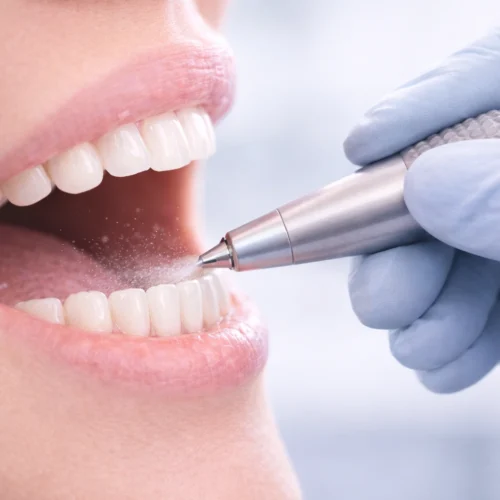
- AIRFLOW® Therapy – A gentle method that removes biofilm and surface stains, often used in maintenance.
- Antibiotics – May be prescribed to reduce bacteria.
2. Surgical Treatments (for advanced cases)
- Flap surgery – Lifting the gums to clean deeper pockets.
- Bone or tissue grafts – Restoring lost bone or gum tissue to support the teeth.
- Guided tissue regeneration – Encouraging natural regrowth of bone and tissue.
3. Maintenance and Prevention
After treatment, patients require regular periodontal maintenance cleanings and check-ups to prevent recurrence. Daily brushing, flossing, and lifestyle improvements—like quitting smoking—are key to long-term success.
Severe Periodontitis and Tooth Extraction
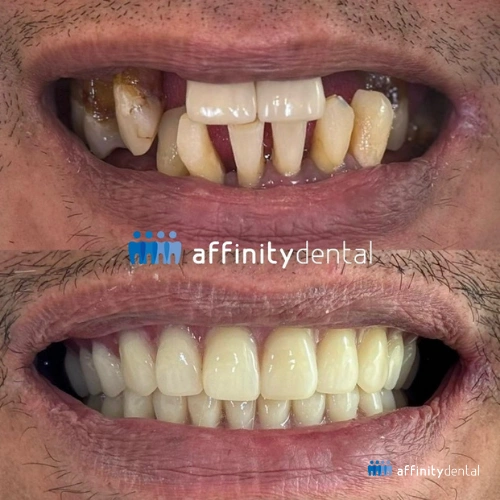
In most cases, periodontitis can be managed and controlled through professional cleanings, scaling and root planing, and in some cases surgical therapy. However, when the disease is very advanced, the supporting structures of the teeth—bone, gums, and ligaments—can be so damaged that the teeth become hopelessly loose.
At this stage, tooth extraction becomes the only viable treatment. While losing a tooth may sound discouraging, extraction is sometimes necessary to:
- Remove the source of infection and prevent it from spreading
- Relieve pain and discomfort from severely mobile teeth
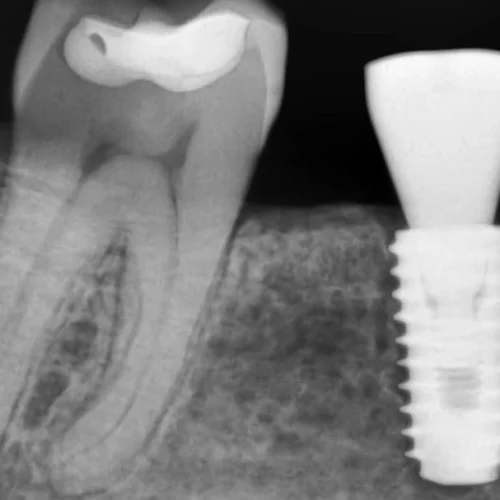
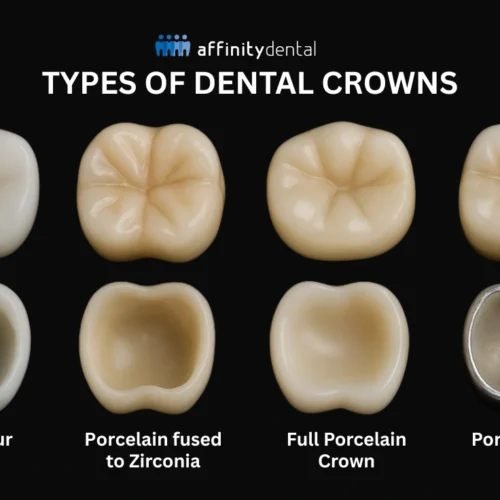
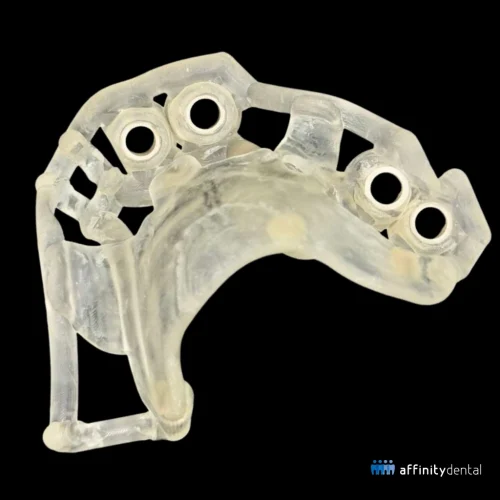
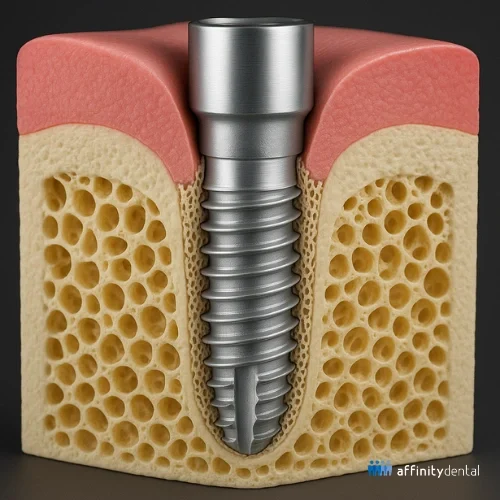
- Create a healthy foundation for future restorative solutions, such as dental implants, bridges, or dentures
Affinity Dental Clinics approaches extraction with care, ensuring patient comfort and considering long-term rehabilitation options. In many cases, patients can restore both function and appearance with modern solutions like dental implants or implant-supported bridges, which provide stability and natural aesthetics.
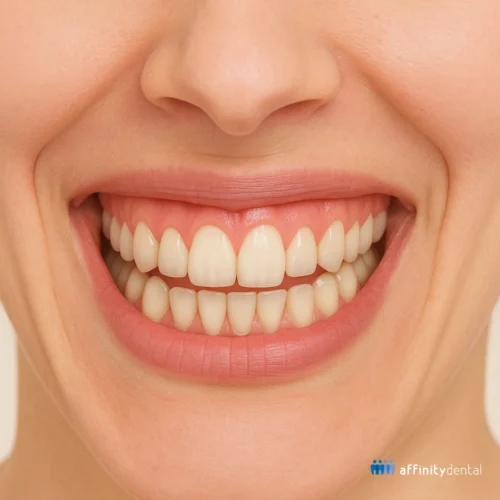
Periodontitis does not always lead to tooth loss if treated early. But when teeth can no longer be saved, extraction followed by replacement options ensures you can still regain a healthy, confident smile.
Final Thoughts
Periodontitis is more than just a dental problem—it’s a health condition that can affect your whole body. The good news is that with early detection and proper treatment, its progression can be stopped, and your oral health restored.
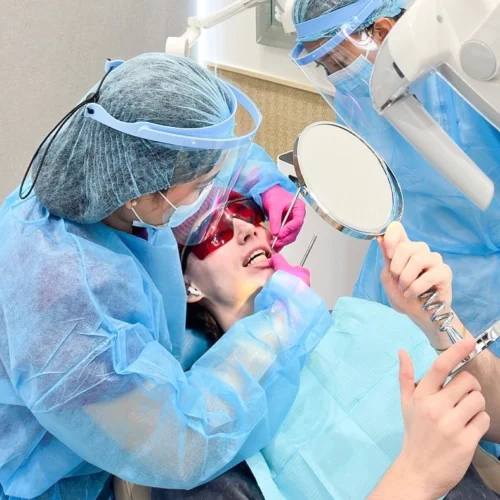
If you notice any symptoms of gum disease, don’t wait until it becomes severe. Schedule a dental check-up and let a professional guide you toward the right care. A healthy smile is truly a reflection of a healthy body.