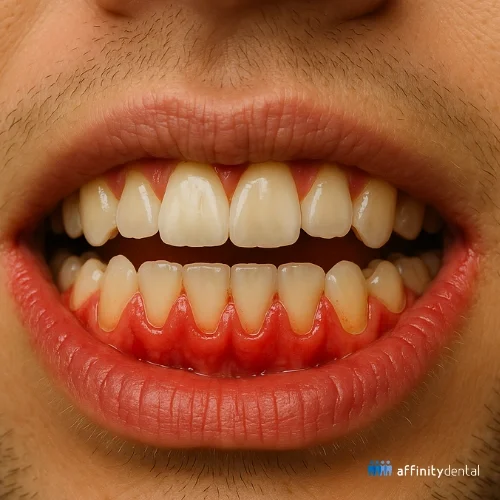
Bad Breath: Leading Dental Causes
Bad breath—also called halitosis—is something many people are embarrassed to talk about, yet it is one of the most common reasons patients visit a dental clinic. While occasional morning breath is normal, persistent bad breath often points to underlying dental or medical issues that need attention. Understanding the dental causes of bad breath can help you recognize when it’s time to seek professional care.
Why Bad Breath Happens
Bad breath usually develops when bacteria in the mouth break down food debris, releasing foul-smelling compounds called volatile sulfur compounds (VSCs). In most cases, the source of the odor is in the mouth itself rather than the stomach or other organs.
Leading Dental Causes of Bad Breath
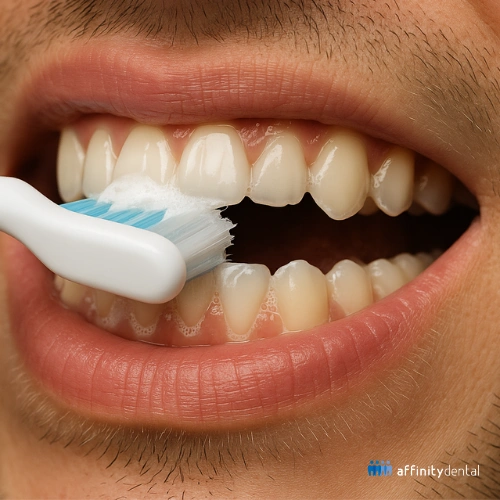
1. Poor Oral Hygiene
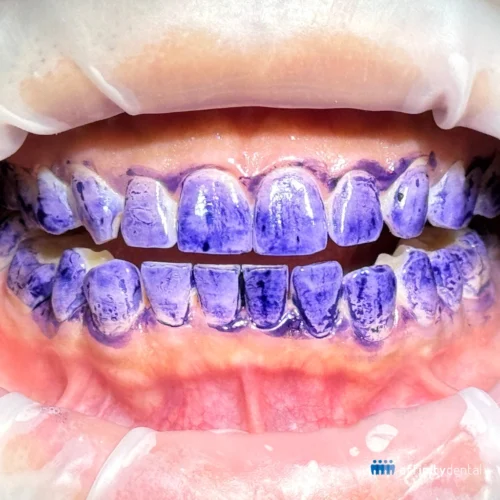
The most common reason for halitosis is insufficient brushing and flossing. When plaque and food particles are left behind, bacteria multiply and produce unpleasant odors. Over time, this buildup can lead not only to bad breath but also cavities and gum disease.
Tip: Brush twice daily, floss once a day, and don’t forget to clean your tongue where bacteria often accumulate.
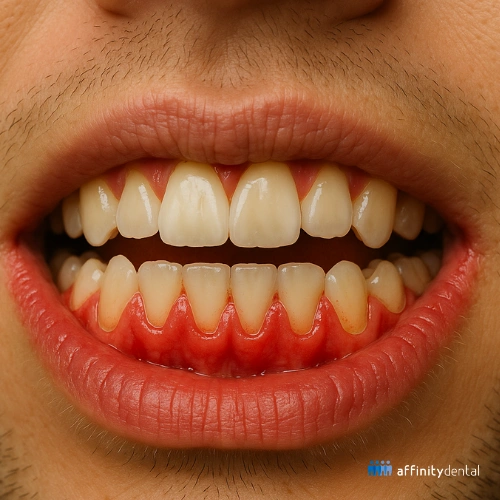
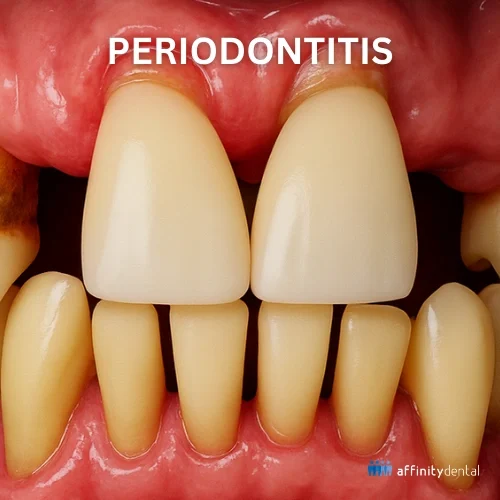
2. Gum Disease (Periodontitis)
Persistent bad breath is often a red flag for gum disease. Infected gums harbor harmful bacteria that cause inflammation, bleeding, and odor. If left untreated, gum disease can damage the supporting structures of your teeth and lead to tooth loss.
Warning Sign: If you have bad breath along with swollen, bleeding gums, consult your dentist promptly.
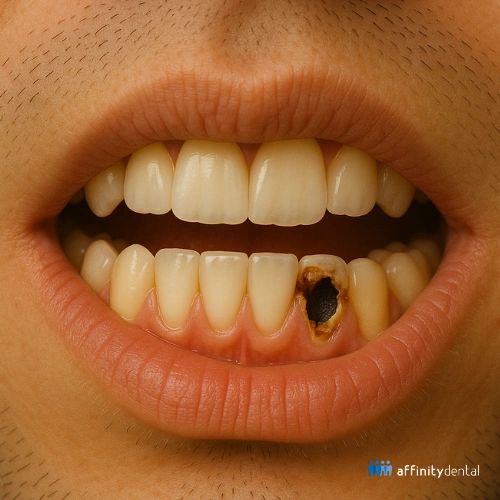
3. Tooth Decay and Dental Infections
Cavities, abscesses, and infected teeth can all produce strong odors. When decay penetrates deep into the tooth or an infection develops, bacteria release foul-smelling byproducts that brushing alone cannot resolve.
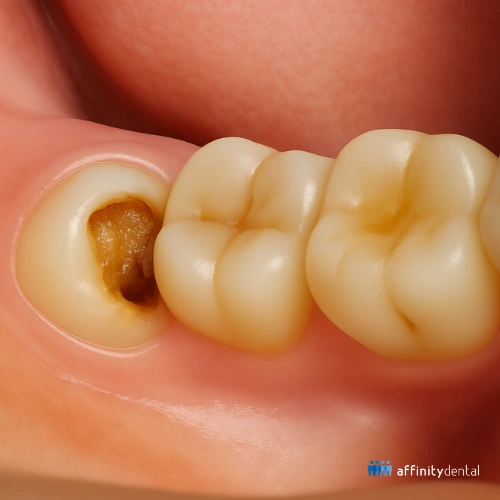
4. Food Debris and Impacted Wisdom Teeth
Food particles trapped between teeth or in areas that are difficult to clean—such as partially erupted wisdom teeth—can ferment and cause a persistent bad smell. Patients with impacted wisdom teeth often complain of foul taste or odor despite good hygiene.
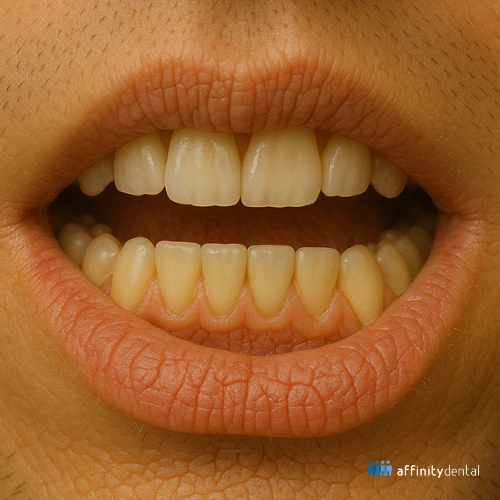
5. Dry Mouth (Xerostomia)
Saliva is the mouth’s natural cleanser, washing away bacteria and neutralizing acids. When saliva flow decreases—whether from dehydration, mouth-breathing, or certain medications—bad breath worsens. A dry environment allows bacteria to thrive.
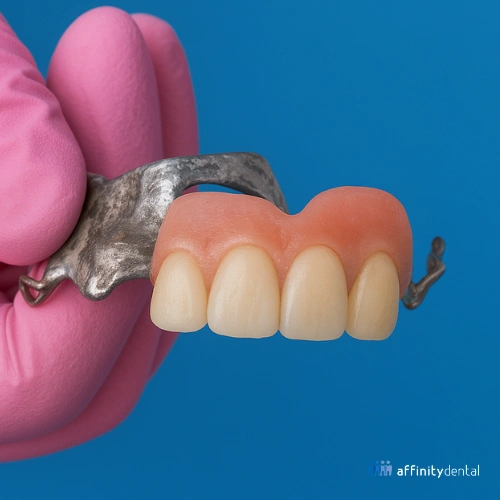
6. Ill-Fitting Dentures and Dental Appliances
Dentures, retainers, and night guards that are not properly cleaned can trap plaque, bacteria, and food debris. Over time, this leads to odor and even fungal infections.

7. Tongue Coating
The tongue’s rough surface can harbor bacteria and food particles, especially toward the back. Without regular tongue cleaning, these accumulations contribute heavily to halitosis.
When Bad Breath is a Sign of Something More
While most cases stem from dental issues, persistent bad breath can sometimes signal systemic conditions such as diabetes, sinus infections, or gastrointestinal disorders. A dental checkup can help identify whether the cause is oral or requires referral to a medical specialist.
Treating and Preventing Bad Breath
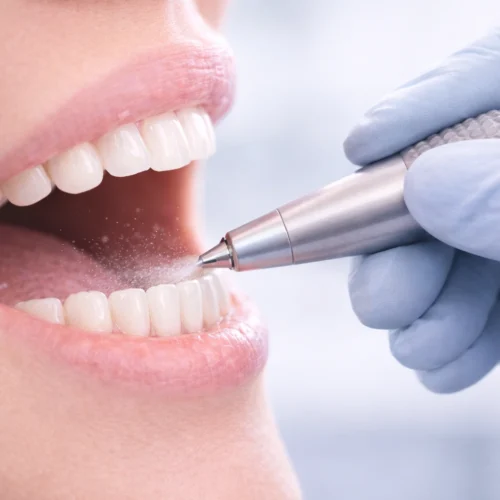
- Professional Cleaning: Removes plaque, tartar, and bacteria your toothbrush can’t reach.
- Treatment of Gum Disease: Scaling, root planing, and maintenance prevent bacteria from thriving in gum pockets.
- Restorative Dentistry: Filling cavities or treating infected teeth addresses the source of odor.
- Lifestyle Habits: Stay hydrated, avoid smoking, and clean dentures or appliances daily.
- Regular Dental Visits: Early detection is key to preventing chronic halitosis.
Final Thoughts
Bad breath is more than just a social inconvenience—it is often a symptom of underlying dental problems. The good news is that with proper diagnosis and treatment, halitosis can usually be resolved.
At Affinity Dental Clinics, our dentists will help identify the root cause of your bad breath, provide targeted treatment, and guide you on long-term oral care to keep your mouth healthy and fresh.