Why Do You Need a Bone Graft for Dental Implants? |
Dental implants are widely considered the gold standard for replacing missing teeth. But not every patient is ready for them right away. One of the most common reasons is bone loss in the jaw — which brings us to the role of bone grafting. If your dentist recommends a bone graft for dental implants, it’s not an added complication. It’s a crucial step toward a stronger, more successful outcome.
In this article, we’ll walk you through why bone grafts are needed, how they work, and what to expect if your implant journey includes this vital procedure.
What Is a Bone Graft in Dentistry?
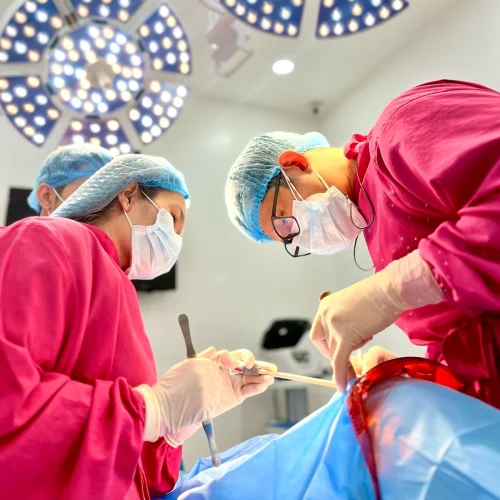
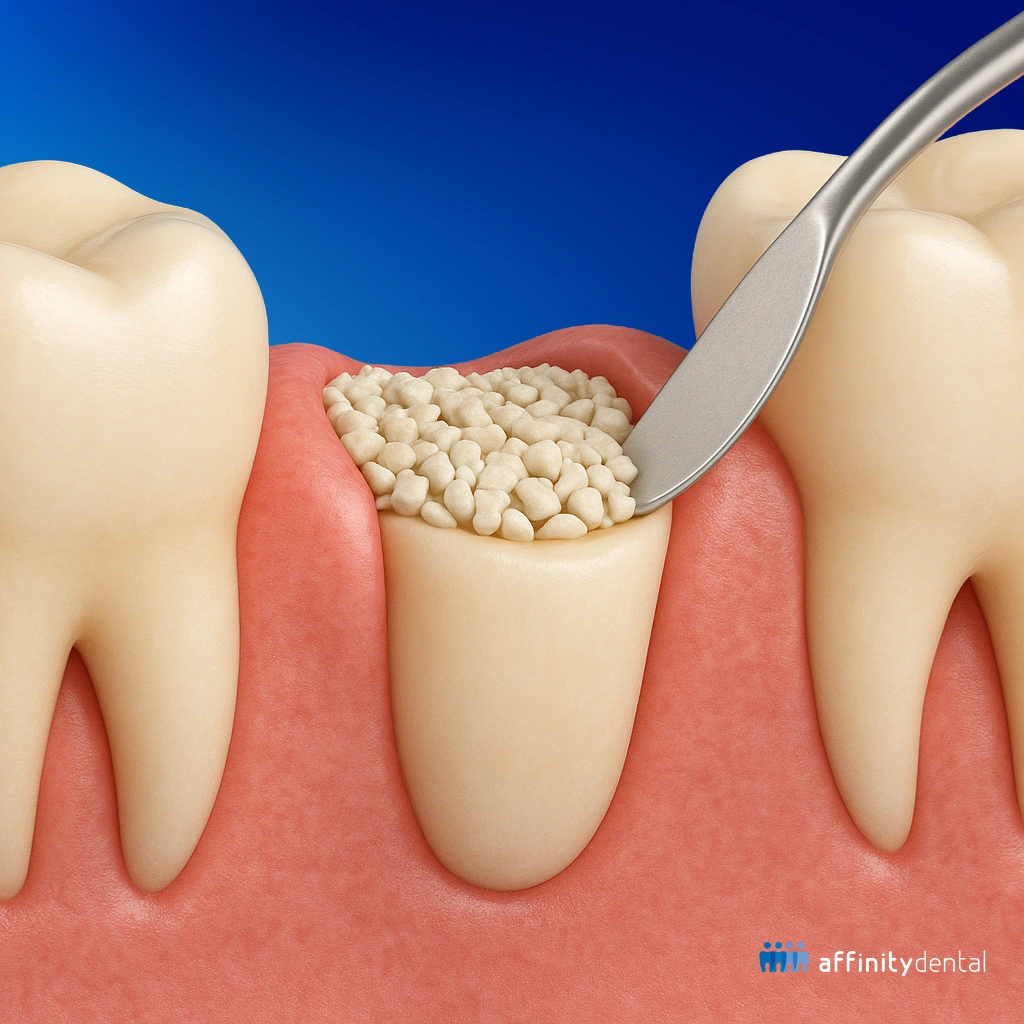
A dental bone graft is a surgical procedure that rebuilds or augments the jawbone to provide a stable foundation for dental implants. It involves placing bone material — either natural or synthetic — in areas where bone volume is insufficient.
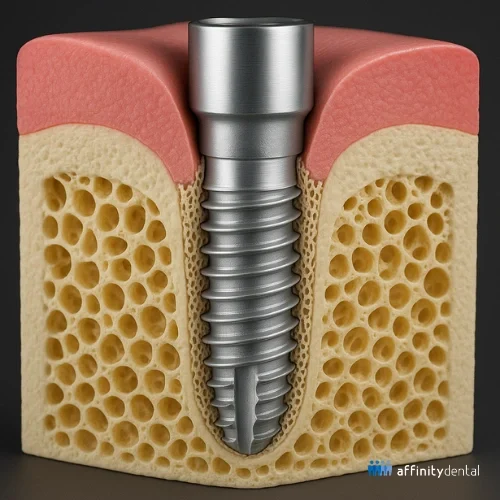
Once the graft is placed, your body begins a process called osseointegration, where new bone grows and fuses with the graft. Over time, this creates enough solid bone to safely anchor an implant.

Why Bone Loss Happens After Tooth Loss
Bone in your jaw stays healthy when stimulated by the pressure of chewing — especially through natural teeth or implants. When a tooth is lost and not replaced with an implant, the bone in that area begins to shrink or resorb.
Studies show that patients can lose up to 25% of jawbone width within the first year after tooth loss, and even more over time. This bone loss can:
- Change the shape of your face
- Make wearing dentures uncomfortable
- Prevent implant placement without a bone graft
When Is a Bone Graft Necessary for Implants?
Here are common situations where your oral surgeon or implant dentist may recommend dental bone grafting:
1. Insufficient Bone Volume
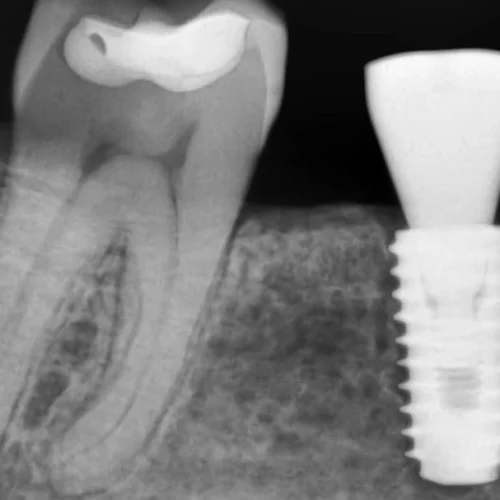
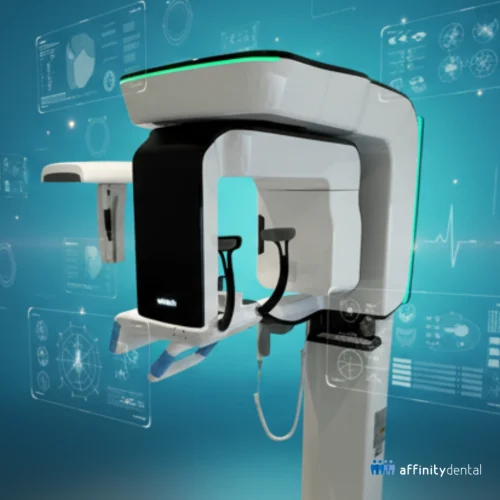
If a CBCT scan or panoramic X-ray reveals that your bone is too thin or too short, implants won’t be stable. Bone grafts add the volume needed to anchor them securely.
2. Tooth Was Lost a Long Time Ago
The longer a tooth has been missing, the more bone loss likely occurred. In these cases, delayed implant placement with bone grafting becomes necessary.
3. Trauma or Gum Disease
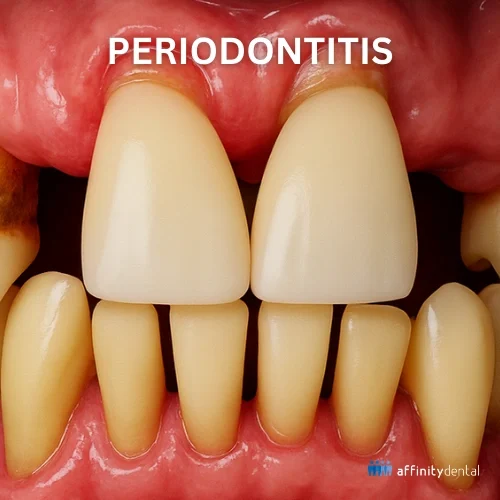
Injuries, infections, or advanced periodontal disease can damage the jawbone. Bone grafting helps reverse this damage to make way for implants.
4. Sinus Proximity in the Upper Jaw
When replacing upper molars, the sinus cavity may be too close to the bone. A procedure called a sinus lift with bone graft may be needed to elevate the sinus floor and create room for the implant.
5. To Prevent Future Bone Loss
Even if the bone seems “just enough” today, grafting may be done proactively to maintain support and improve the long-term prognosis of your implants.
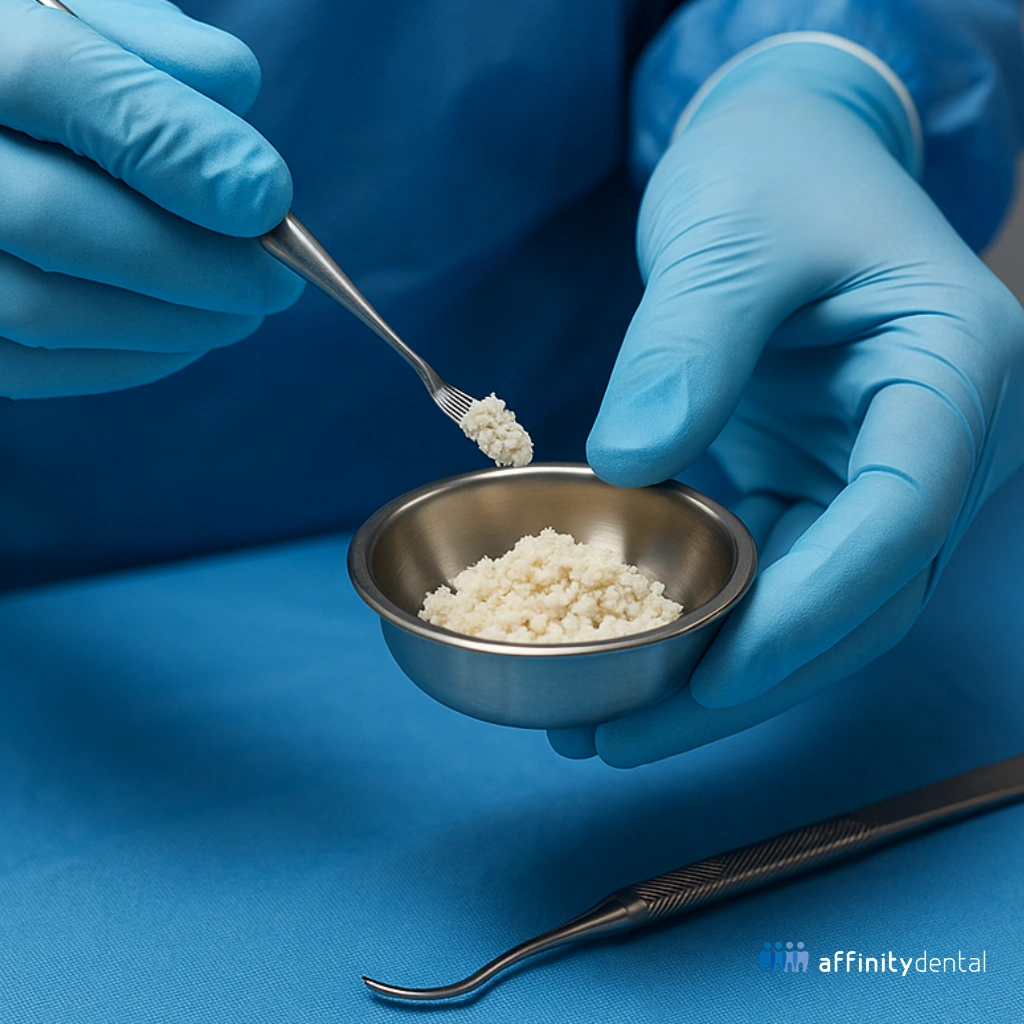
Types of Bone Grafts Used in Dentistry
Bone grafts can come from several sources:
- Autografts – your own bone (often from the chin or hip)
- Allografts – processed bone from a human donor
- Xenografts – bone from animal sources (usually bovine)
- Alloplasts – synthetic bone materials (like calcium phosphate)
Each type has its benefits. Your dentist will choose the one best suited to your specific condition and treatment goals.
Is Bone Grafting Painful?
Bone grafting is a minor surgical procedure, often done under local anesthesia or sedation. You may feel mild discomfort for a few days afterward, similar to a tooth extraction. Most patients manage this well with pain relievers and follow-up care.
Affinity Dental Clinics offers Conscious Sedation for patients who want a stress-free experience, especially if you’re anxious about oral surgery.
Healing Time After a Bone Graft
Depending on the type and size of the graft:
- Small bone grafts (like socket preservation after tooth extraction) may heal in 2–4 months.
- Larger bone grafts or sinus lifts may require 4–6 months of healing before placing the implant.
Your dentist will monitor the healing process using digital imaging and determine when it’s safe to proceed with the next step.
Can Bone Grafting Be Done on the Same Day as Implant Placement?
Yes — in some cases. This is called simultaneous implant and graft placement, and it’s only possible when the remaining bone is strong enough to provide initial stability. However, when bone loss is significant, staged procedures(bone graft first, implant later) are safer and more predictable.
Benefits of Bone Grafting for Dental Implants
Let’s look at the long-term advantages of getting a bone graft before implants:
- Improved Implant Stability – Strong bone provides a solid anchor
- Better Aesthetics – Maintains facial structure and gum contour
- Long-Term Success – Reduces risk of implant failure
- Expanded Treatment Options – Even complex cases become treatable
- Restored Confidence – Knowing your implant is backed by a strong foundation
Bone Grafting: A Standard Part of Modern Implant Dentistry
At Affinity Dental Clinics, bone grafting is not considered a complication — it’s part of modern, comprehensive implant care. With the use of CBCT scanning, 3D planning, and our in-house oral surgery suites, we ensure that every implant is placed with precision and long-term success in mind.
Our oral surgeons are highly trained in grafting procedures, from simple socket preservation to advanced sinus lifts and ridge augmentation.
Watch actual cases of Dental Implants and Bone Grafting: Dental Implants, Dental Implants and Bone Grafting with Platelet Rich Fibrin, Dental Implant with Healing Abutment.
Conclusion: A Small Step for a Stronger Smile
If your dentist has recommended a bone graft for dental implants, don’t be alarmed. It’s a vital step to make sure your implant journey is safe, predictable, and successful — not just for the short term, but for years to come.
Think of it as laying the groundwork for a house. You wouldn’t build a home without a strong foundation — and the same applies to your smile.
Frequently Asked Questions (FAQs)
❓ How do I know if I need a bone graft for dental implants?
A detailed dental exam, including a CBCT scan, will help your dentist evaluate your bone density and volume. If there isn’t enough bone, a graft will be recommended.
❓ What happens if I skip the bone graft?
Skipping the graft in cases of bone deficiency may lead to implant failure. The implant could become loose or fail to integrate with the bone.
❓ How much does a dental bone graft cost?
Costs vary depending on the type of graft, materials used, and complexity. At Affinity Dental Clinics, we offer fair and transparent pricing tailored to your case.
❓ Is a bone graft always needed before dental implants?
No. Many patients still have enough bone to proceed directly with implant surgery. Your dentist will make this assessment based on imaging and clinical evaluation.
❓ Can I get implants without bone grafting if I’ve been missing teeth for years?
Possibly — but it depends on how much bone remains. In many cases, bone regeneration procedures are needed to rebuild the area first.
Book Your Consultation
Wondering if you’re a candidate for implants or need bone grafting? Our experienced oral surgeons can guide you through every step of your treatment plan. Visit one of our clinics in Makati, BGC, Alabang, Ortigas, Parañaque, or Cebu for expert care.
📍 Affinity Dental Clinics – Trusted in Oral Surgery and Dental Implants since 2008.