Root Canals: Myths vs Facts
Root canal treatment is one of the most misunderstood dental procedures. Over the years, it has earned an undeserved reputation for being painful or risky. In reality, modern root canal therapy is safe, effective, and often the best way to save a natural tooth. Let’s clear up the myths and get to the facts.

Myth 1: Root canals are extremely painful
Fact: With today’s technology and anesthetics, root canals are no more painful than getting a filling.
Patients often associate root canals with the toothache that led them to the dentist—not the treatment itself. Once anesthesia takes effect, the procedure is painless. In fact, the root canal removes the source of pain by cleaning out the infected pulp.
Myth 2: It’s better to just pull the tooth
Fact: Saving your natural tooth is almost always the better option.
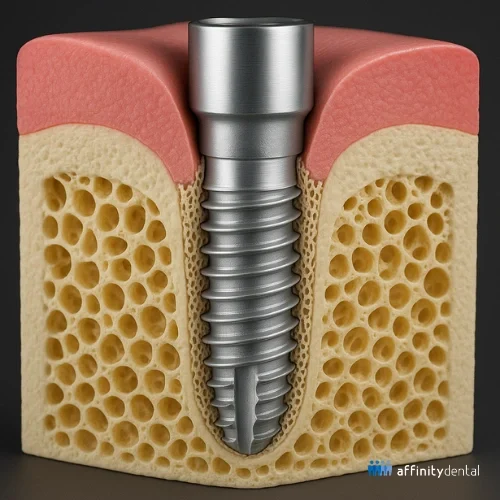
While extractions may seem easier, missing teeth can lead to shifting, bite problems, bone loss, and the need for costly replacements like implants or bridges. A successful root canal preserves your tooth structure and function for many years.
Myth 3: Root canals cause illness
Fact: This is an outdated myth based on century-old studies that have been debunked.
There is no scientific evidence that root canal therapy causes systemic illness. On the contrary, untreated dental infections pose real risks to your overall health by spreading bacteria to other parts of the body.
Myth 4: Root canals don’t last long
Fact: With proper restoration and good oral hygiene, root-canal-treated teeth can last a lifetime.
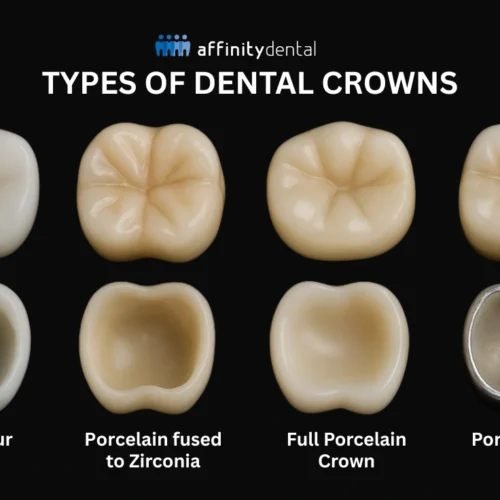
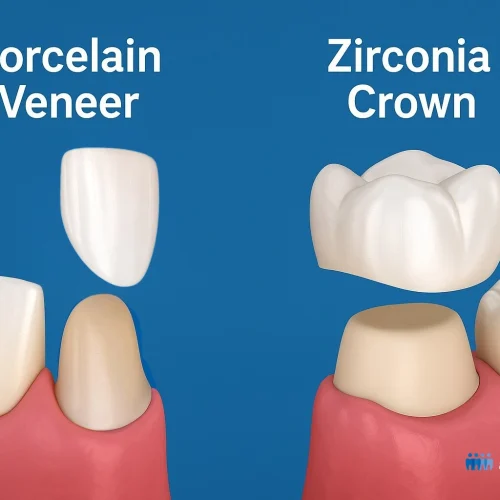
After treatment, the tooth is usually restored with a crown to protect it from fracture. Regular checkups, cleanings, and home care significantly increase longevity.

Myth 5: The procedure takes many appointments
Fact: Many root canals can be completed in one or two visits.
Advances in techniques and instruments allow dentists to complete treatment efficiently. Some complex cases may require more visits, but most are straightforward and quick.
Myth 6: Root canals are only needed if you’re in pain
Fact: Not all infected teeth hurt.
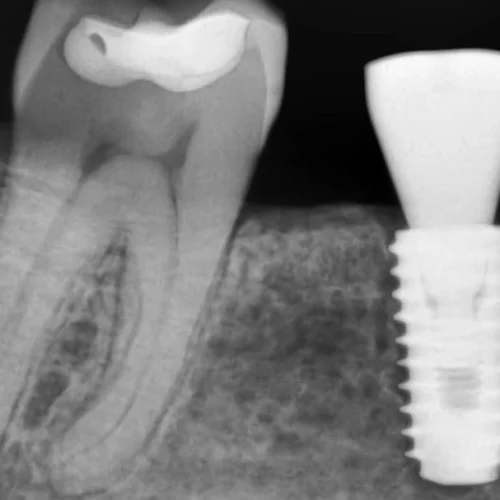
Sometimes the pulp dies quietly, and infection is discovered on an X-ray before symptoms appear. Regular dental checkups are important to catch these cases early and prevent serious complications.
Myth 7: Root canals weaken teeth
Fact: The procedure removes infected tissue but does not weaken the tooth.
It’s the loss of tooth structure from decay or fracture that makes a tooth more fragile. That’s why dentists often recommend a crown after treatment—to restore strength and prevent future damage.

Final Thoughts
Root canal treatment is one of the most valuable procedures in modern dentistry. It relieves pain, saves natural teeth, and protects your long-term oral health. Myths about root canals persist, but the facts are clear: they are safe, effective, and often the best option when the pulp of a tooth becomes infected or inflamed.
If you suspect you need a root canal—or have been putting one off due to fear—it’s best to talk with your dentist. Understanding the truth can help you make confident, informed decisions about your dental health.