Best Dental Implants in the Philippines: A Scientific Guide for Patients
Many articles on best dental implants in the Philippines sound more like advertising than advice. They claim to be the best without explaining what really makes an implant successful. Patients are left confused.
The truth is simple: the best dental implants in the Philippines are not about brand names or clinic slogans. They are about science. Success depends on how well the implant integrates with bone, how it functions over time, and how it is cared for.
This article explains the scientific standards that define implant success. We will discuss survival rates, materials, surgical techniques, and aftercare. The goal is to help patients understand what “best” really means when it comes to dental implants.
At Affinity Dental Clinics, we use these same standards when planning and performing implant treatments. Our focus is always on evidence, patient safety, and long-term results.
1. Success Rates and Longevity
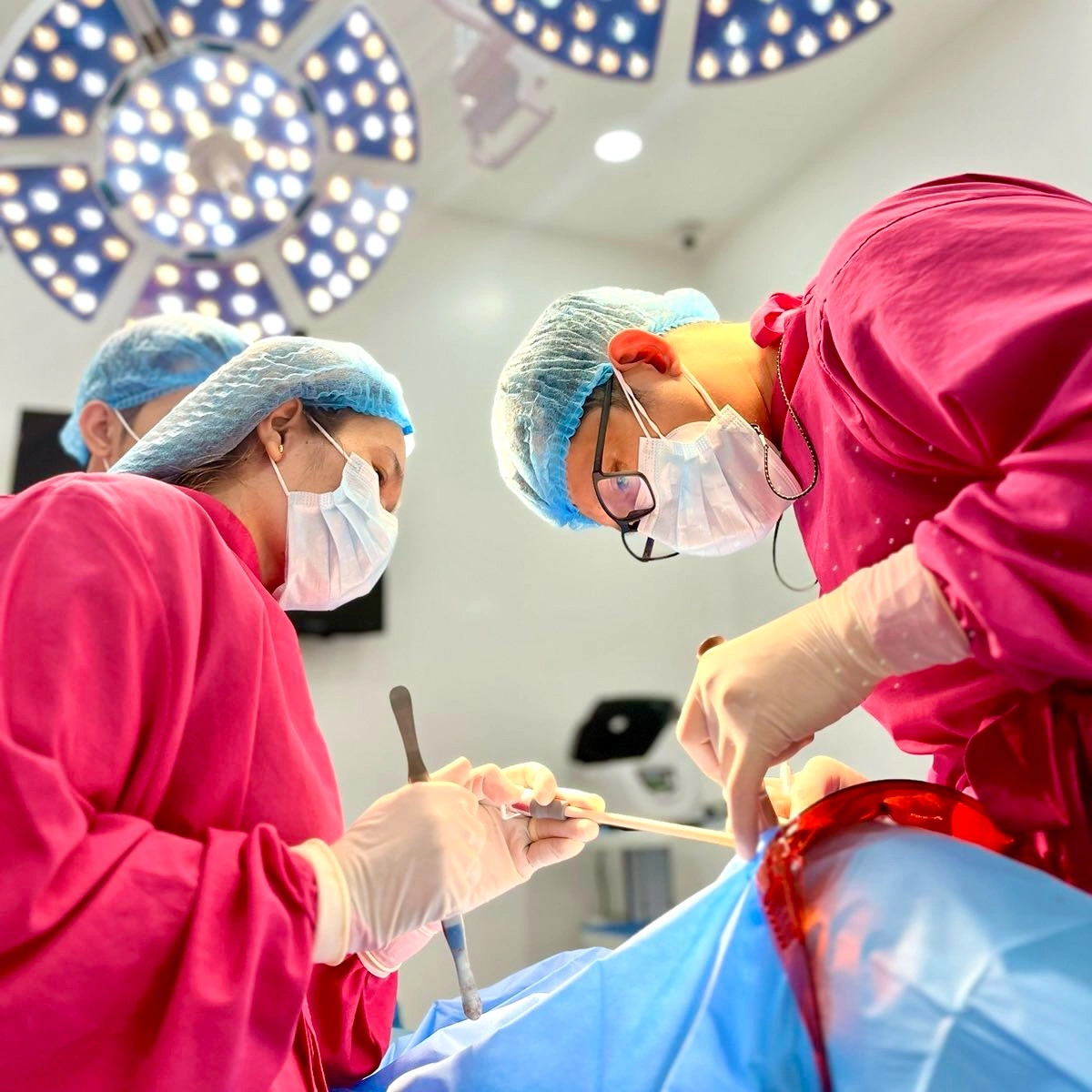
One way to define the best implants is by looking at how long they last. Studies show that most implants succeed in 95–98% of cases after five years . Many last ten years or longer. Some research even tracks implants beyond twenty years.
But long-term survival is not automatic. Several factors can affect the outcome:
- The patient’s health (for example, diabetes or smoking can lower success).
- The quality and amount of bone.
- The surgeon’s skill.
- Daily oral hygiene and follow-up care.
In short: the “best” implant is one that integrates well and remains stable for many years.
2. Scientific Criteria for Success
Dentists and researchers use specific criteria to measure implant success :
- No mobility: The implant must not move when tested.
- No ongoing pain or infection: Discomfort after healing suggests failure.
- Healthy bone support: Less than 1.5 mm of bone loss in the first year is expected. After that, bone loss should be very minimal.
- Healthy gums around the implant: No bleeding, swelling, or pus.
- Prosthetic stability: The crown, bridge, or denture on top of the implant should fit well and function normally.
- Patient satisfaction: Comfort, chewing ability, and natural appearance are just as important as the science.
These scientific measures matter more than claims of being “the best.”
3. Osseointegration and Implant Stability
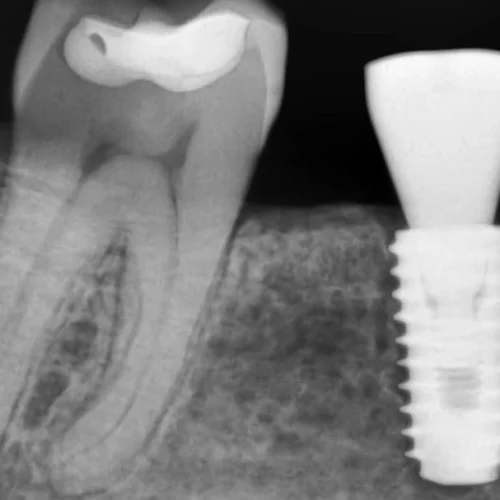
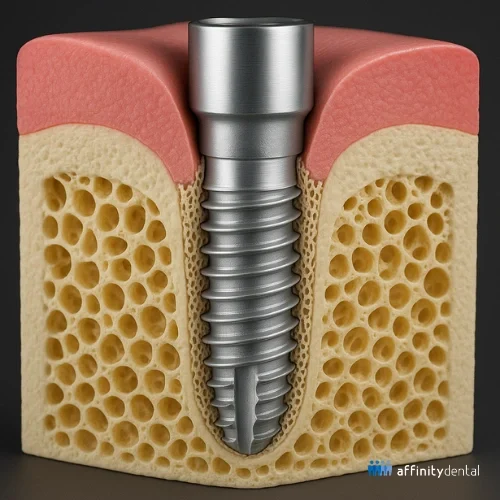
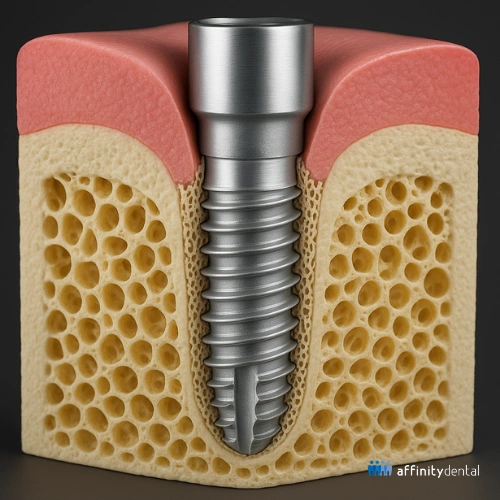
The key to implant success is osseointegration. This is when the bone fuses tightly with the implant surface . Without this, the implant will not last.
Modern implants are designed with surfaces that encourage bone cells to grow and attach. Some have micro-textures or coatings that speed up healing and improve bonding.
Dentists often use tools to measure implant stability. One method is the Implant Stability Quotient (ISQ) test. A reading between 55 and 85 shows that the implant is stable .
The best implants are those that achieve strong osseointegration early and keep it for life.
4. Materials: Titanium vs. Zirconia
Implant materials also matter.
- Titanium has been the standard for decades. It is strong, biocompatible, and integrates well with bone .
- Zirconia is a newer, metal-free option. It blends well in the gum line and is chosen for aesthetic reasons or in cases of titanium allergy .
Both materials work, but titanium still has the longest and most proven record. Zirconia is promising, especially for patients who want a more natural, tooth-colored option.
At Affinity Dental Clinics, both titanium and zirconia implants are available. The choice depends on each patient’s needs, health, and goals.
5. Implant Design and Innovation
Not all implants are the same. Design affects how well they integrate and how stable they feel.
- Thread design: Deep threads provide more grip in softer bone.
- Shape: Tapered implants mimic the natural shape of a tooth root.
- Size: Short or narrow implants may be used in areas with less bone.
Newer innovations allow for immediate load implants, where a temporary crown is placed the same day. These can be safe and effective if the bone is strong enough .
The best implants use designs that match the patient’s bone quality and treatment plan.
6. Diagnostics and Surgical Planning
Even the best implant design fails if planning is poor.
Modern implant dentistry relies on advanced tools:
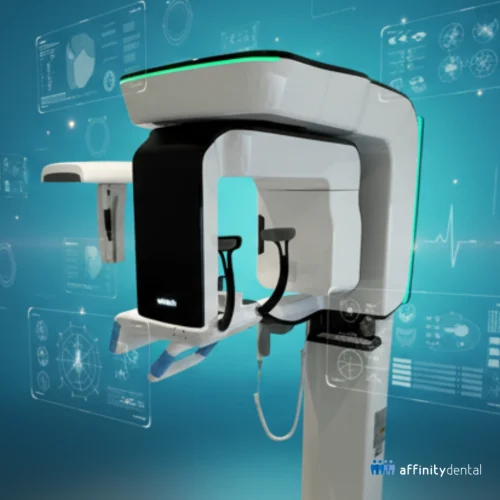
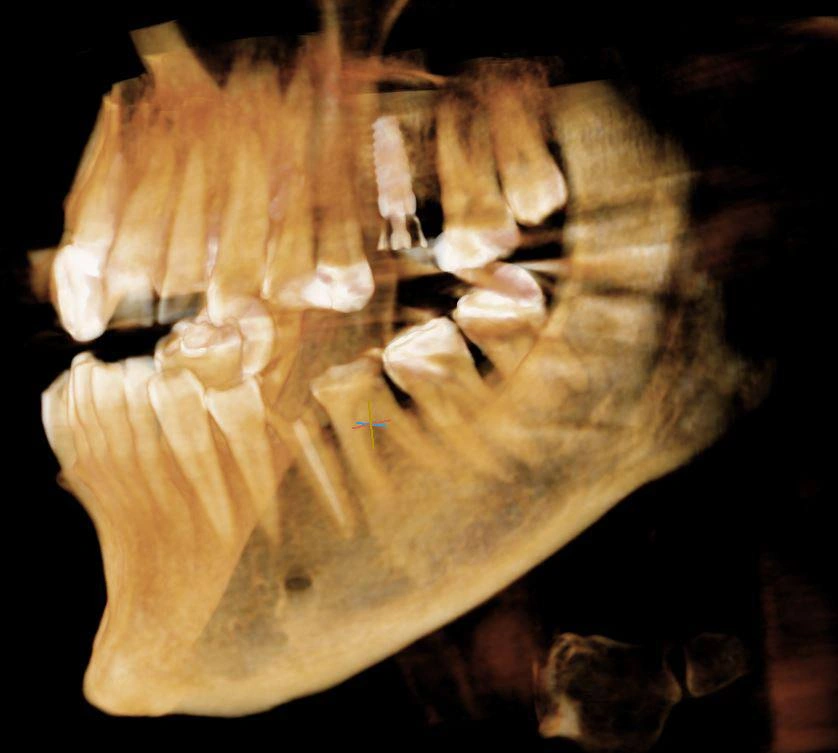
- Cone Beam CT (CBCT): Provides 3D scans to measure bone thickness and nerve position.
- Digital planning software: Allows virtual placement before surgery.
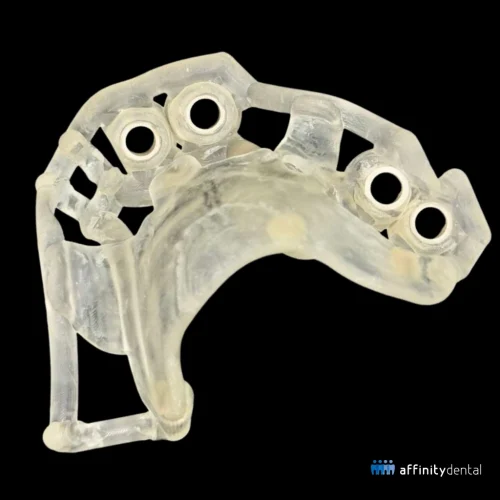
- Guided surgery tools: Ensure precise angulation and depth during placement.
Clinics equipped with CBCT and digital labs—such as Affinity Dental Clinics in Makati—can provide this level of accuracy.
Planning reduces risks, protects vital structures, and increases implant survival.
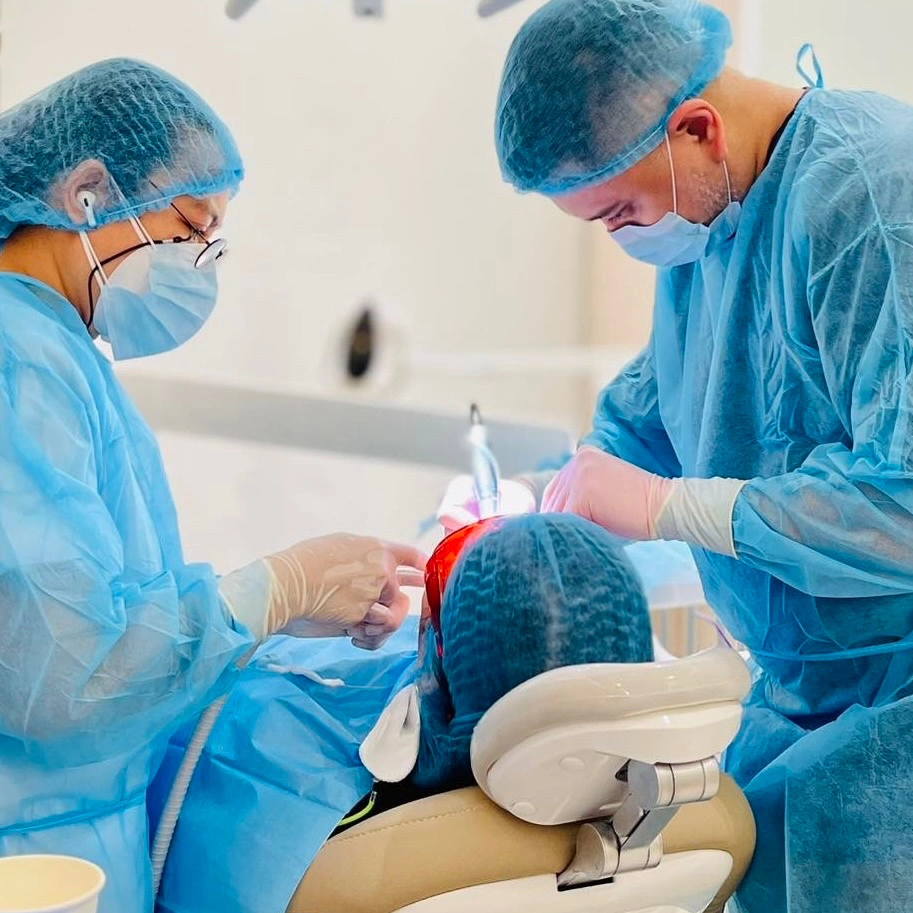
7. Surgical Expertise
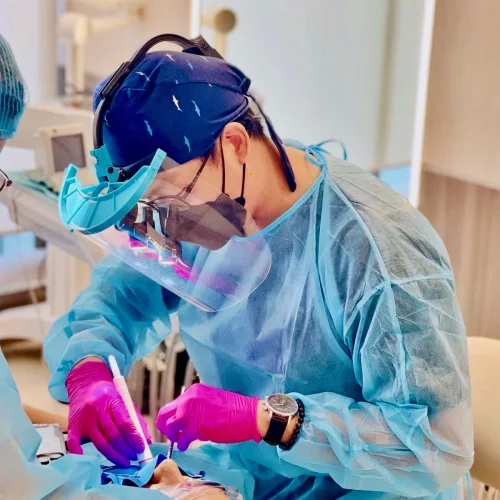
Implant success depends on the skill of the surgeon. Studies confirm that operator experience strongly influences outcomes .
The best implants are usually placed by dentists who:
- Have formal training in implant surgery.
- Perform implants regularly.
- Work with a multidisciplinary team (oral surgeons, prosthodontists, lab technicians).
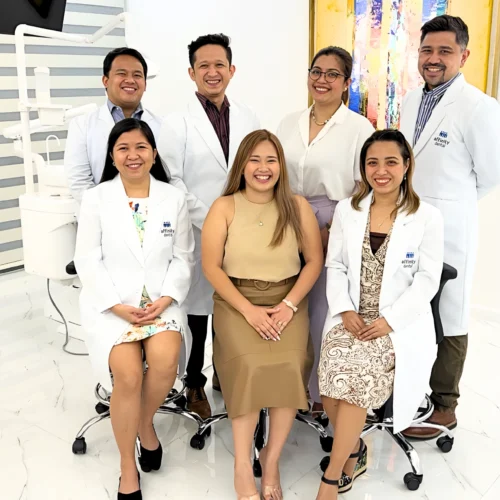
At Affinity Dental Clinics, implant cases are handled by experienced oral surgeons trained in implantology.
8. Prosthetic Design and Function
An implant is only as good as the crown or bridge on top of it.
The prosthetic must:
- Fit precisely without gaps.
- Distribute chewing forces evenly.
- Match the natural bite.
- Blend with the patient’s smile.
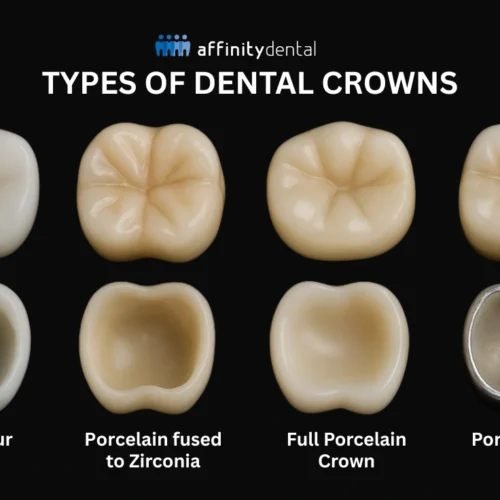
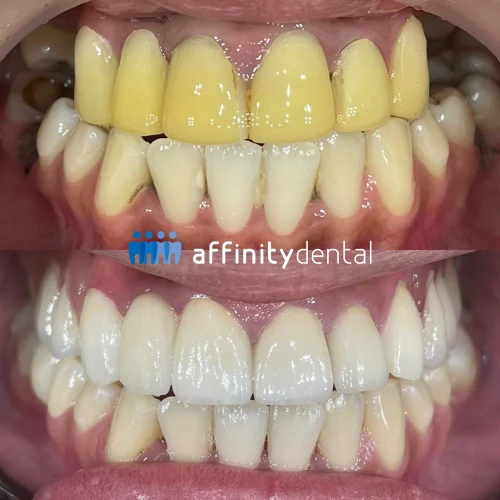
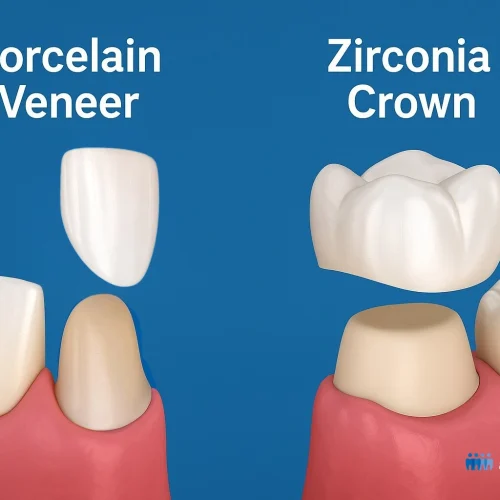
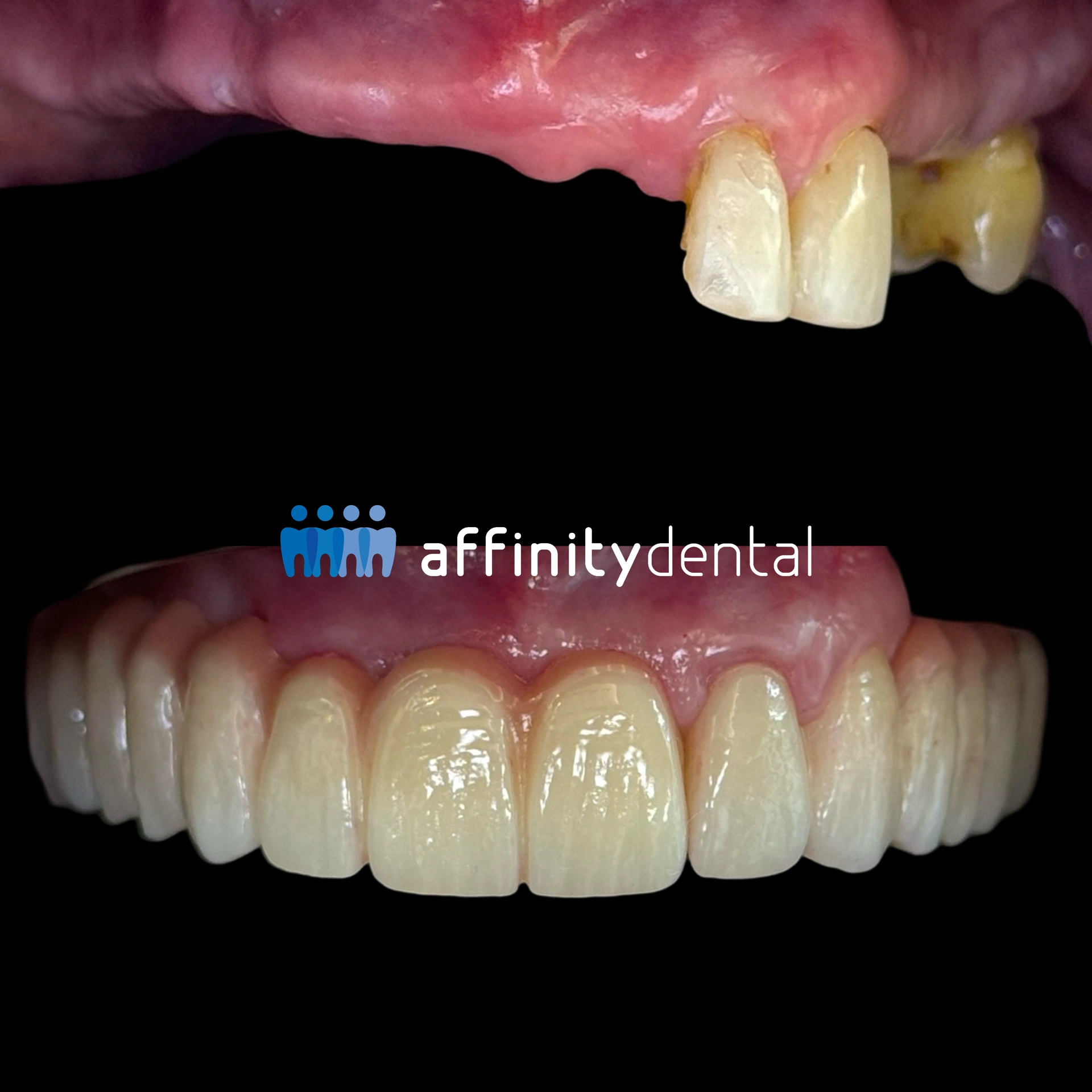
Materials matter too. Zirconia crowns are strong, long-lasting, and natural-looking. In-house dental labs can design and mill these with precision.
This step ensures the implant not only survives but also looks and feels natural.
9. Patient-Specific Factors
Not every patient has the same conditions. Factors that influence outcomes include:
- Health: Uncontrolled diabetes, smoking, or immune problems raise risks.
- Bone volume: Some patients need bone grafting before implants.
- Habits: Teeth grinding can shorten implant life.
The best implants are customized to the individual. What works for one patient may not be right for another.
10. Aftercare and Maintenance
Even the best implants require care.
- Daily brushing and flossing are essential.
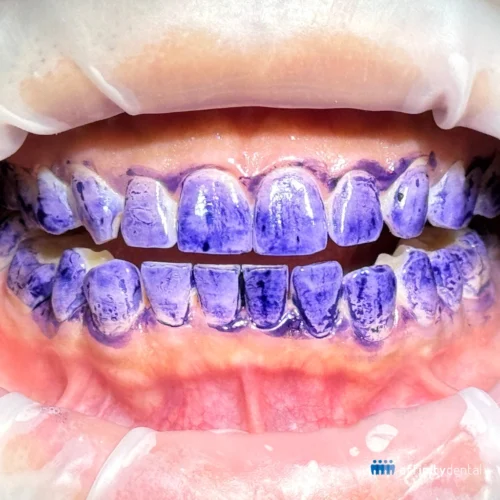
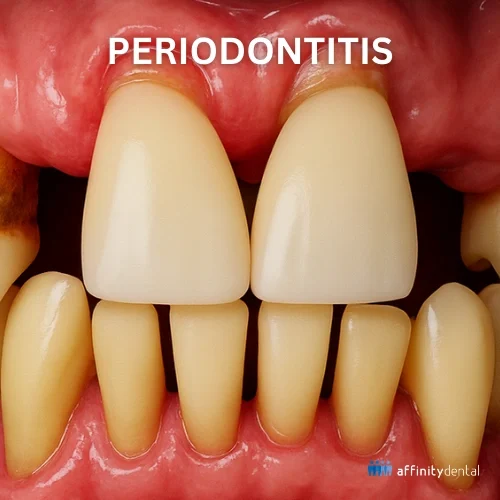
- Professional cleaning prevents peri-implantitis (inflammation around implants).
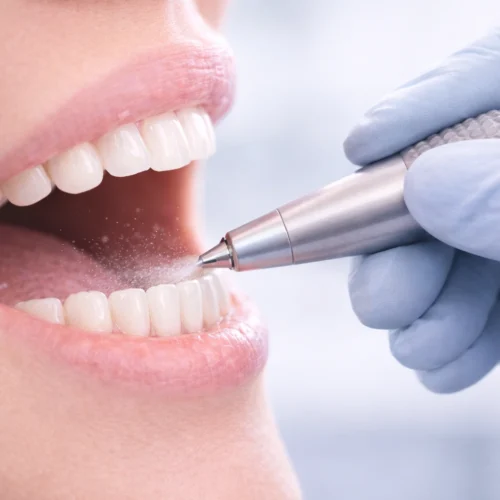
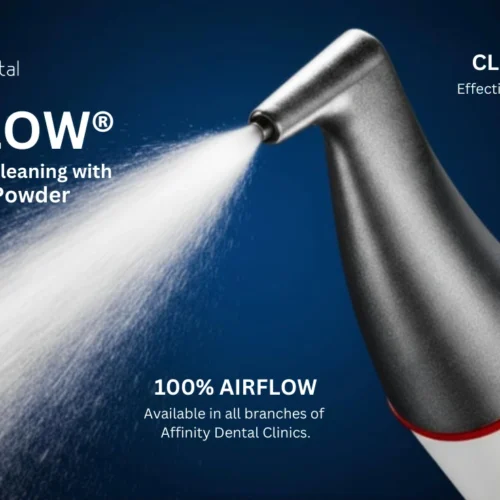
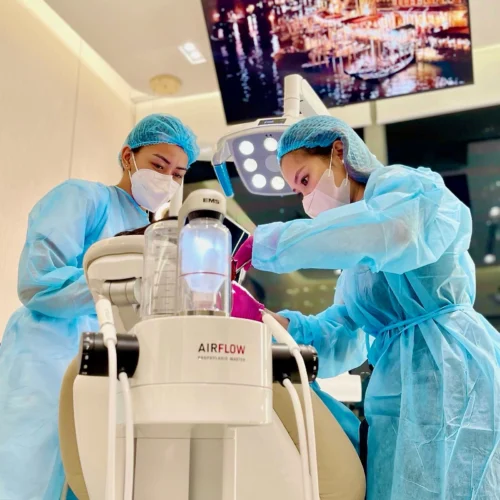
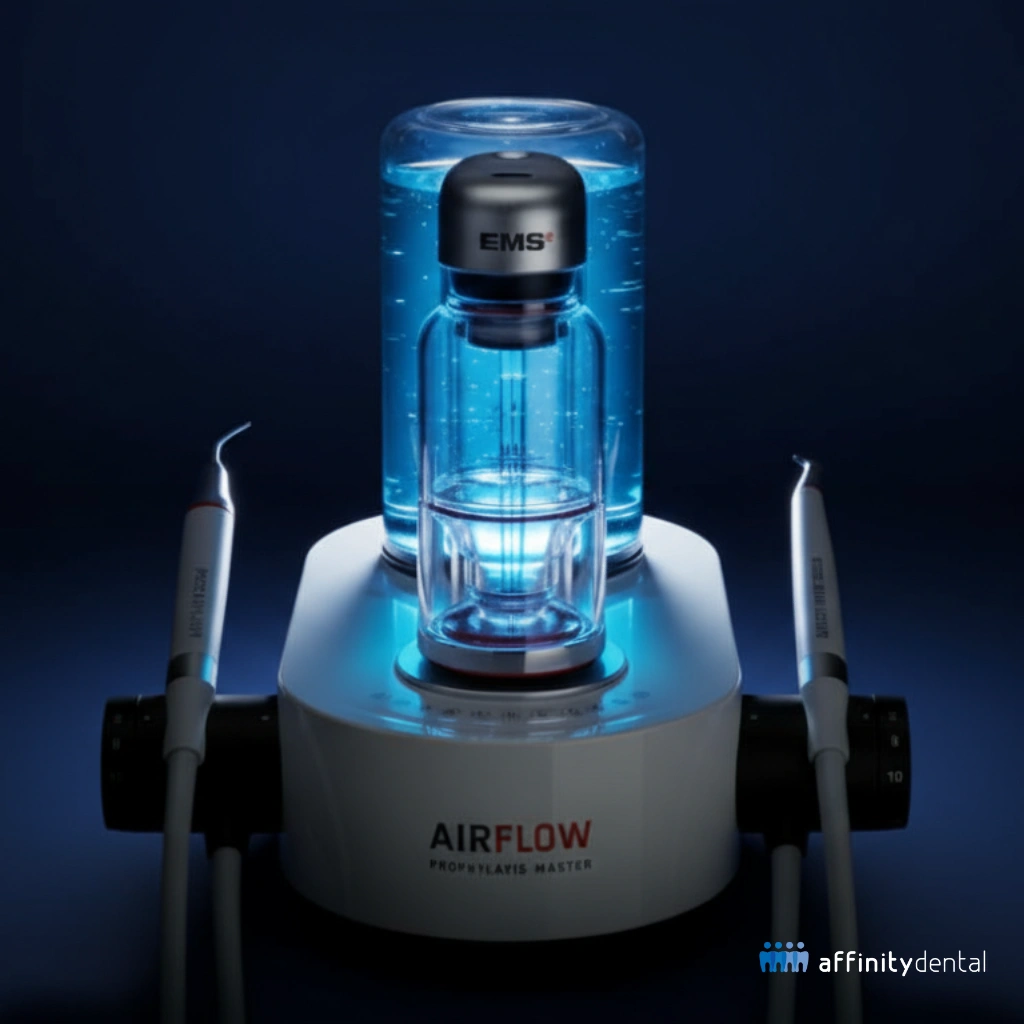
- AIRFLOW® cleaning is recommended for safe and effective removal of biofilm around implants.
- Regular check-ups help detect small problems before they become big ones.
Research shows that patients who attend regular maintenance visits keep their implants much longer .
At Affinity Dental Clinics, maintenance is part of every implant treatment plan. Patients are guided on how to protect their investment for life.
Conclusion
The best dental implant in the Philippines is not about which clinic makes the loudest claim. It is about science.
The best implants are:
- Well-integrated with bone.
- Made of proven materials.
- Placed with precision.
- Restored with natural-looking crowns.
- Maintained with care.
Patients should choose based on evidence, not just marketing.
At Affinity Dental Clinics, our approach to implants is built on these scientific principles. We focus on safe surgery, advanced technology, and personalized treatment. That way, every patient receives implants designed to last—not just to look good in the short term.
Visit us at Affinity Dental Clinics
Choosing dental implants is a life-changing decision. The next step is finding a trusted team that combines surgical expertise, advanced technology, and personalized care.
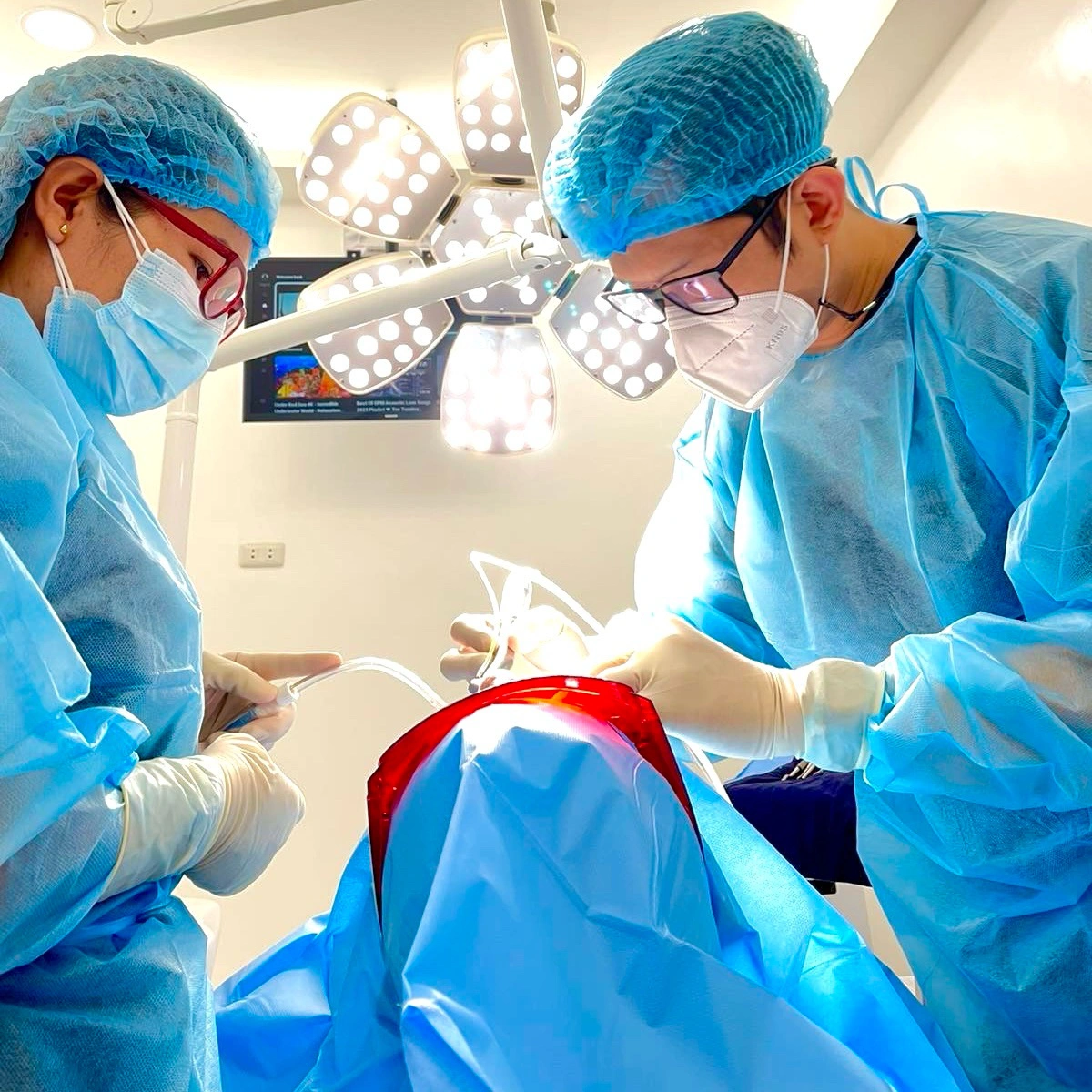
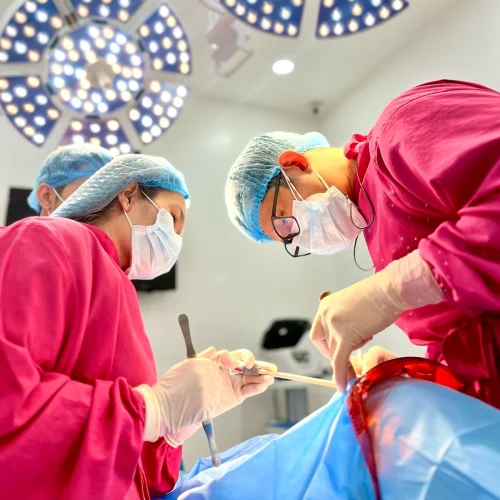
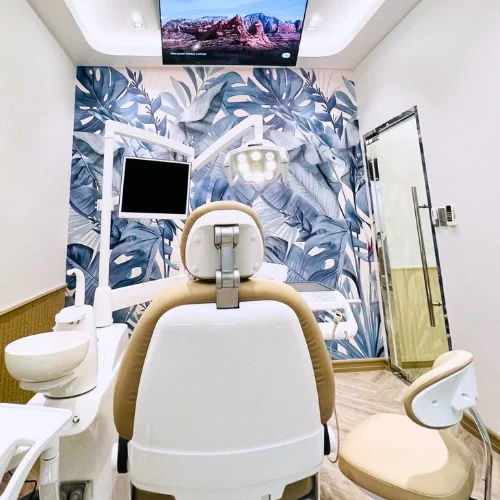
At Affinity Dental Clinics Makati, our dedicated Center for Oral Surgery and Implant Dentistry procedures are performed in a hospital-grade operating room equipped with CBCT imaging, digital scanners, and an in-house dental laboratory for precision restorations.
But implant dentistry is not limited to Makati. Affinity Dental Clinics offers dental implant services in all our locations—BGC, Ortigas, Alabang, Parañaque, and Cebu. For our patients in Cebu, we even arrange for implant specialists from Manila to fly in for scheduled appointments, ensuring the same level of expertise and care across the country.
📅 Book your appointment today and discover how Affinity Dental Clinics can help restore your smile with evidence-based, ethical, and expert implant dentistry.