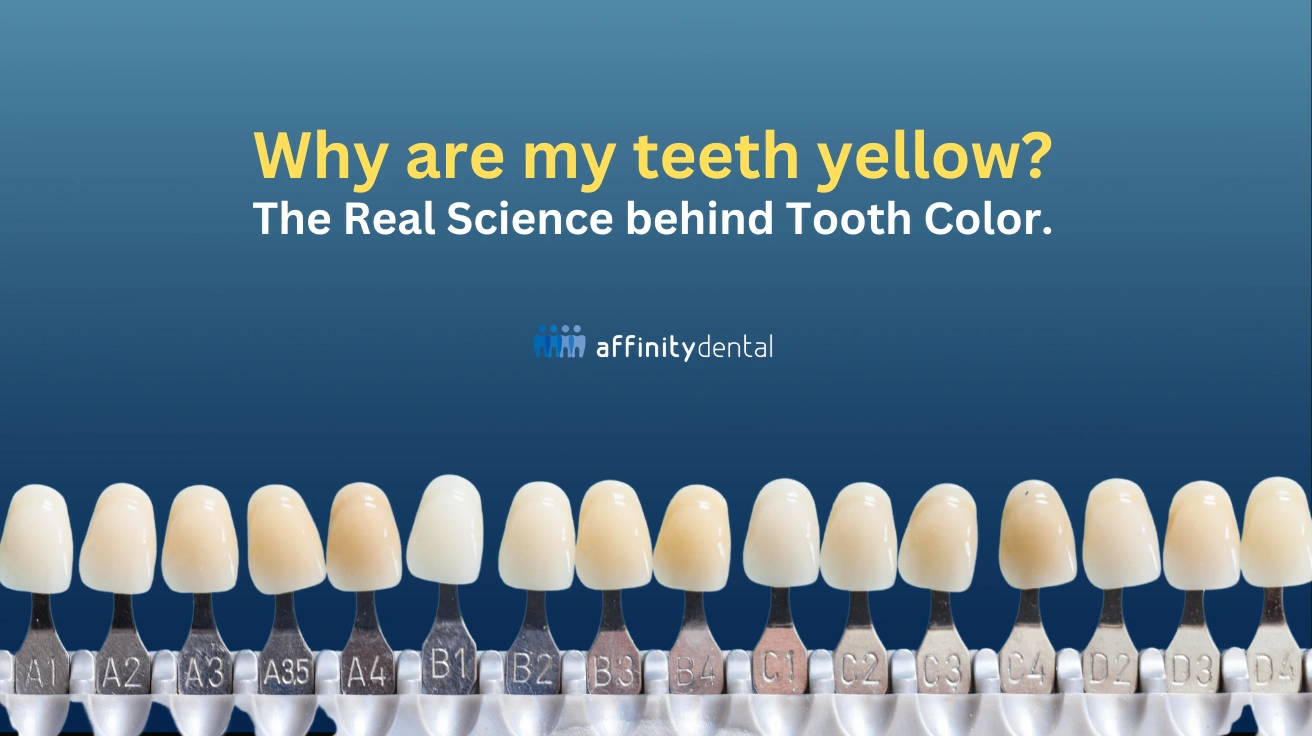
Why Are My Teeth Yellow? The Real Science Behind Tooth Color
“Why are my teeth yellow?”
It’s a question dentists hear almost every day. Many patients feel self-conscious about their tooth color, especially in a world of Instagram filters, celebrity smiles, and whitening ads. But here’s the surprising truth: teeth are not naturally pure white. A healthy smile comes in many shades, and what you see as “yellow” may actually be completely normal.
Let’s take a closer look at the science of tooth color, what causes it to change, and how dentistry can help if you want a brighter, healthier smile.
1. The Science of Natural Tooth Color
Your teeth are made up of different layers:
- Enamel – the hard, translucent outer layer. On its own, enamel has a bluish-white hue.
- Dentin – the layer underneath enamel, naturally yellowish or grayish.
- Light interaction – light passes through enamel and reflects off dentin, giving each tooth its final shade.
This means tooth color is determined by biology, not just brushing habits. Even perfectly healthy teeth often appear slightly yellow.

2. Why Teeth Aren’t All the Same Color
- Genetics – Some people naturally have thicker or thinner enamel, which changes how yellow or white teeth appear.
- Position in the mouth – Canines tend to be darker than front incisors because they contain more dentin.
- Ethnicity – Tooth color can vary naturally across different populations.
- Age – As we grow older, enamel thins and dentin thickens, making teeth appear darker.
So if your smile looks less white than someone else’s, it may just be your natural shade.
3. When Teeth Look More Yellow
Not all discoloration is natural. Some changes come from lifestyle or health factors:
- Extrinsic stains (surface stains)– Coffee, tea, red wine, soda, and smoking are the biggest culprits.
- Intrinsic discoloration (inside the tooth)– Fluorosis (from excess fluoride during childhood).– Tetracycline staining (antibiotics taken while teeth were developing).– Trauma (injury to a tooth can make it darker).
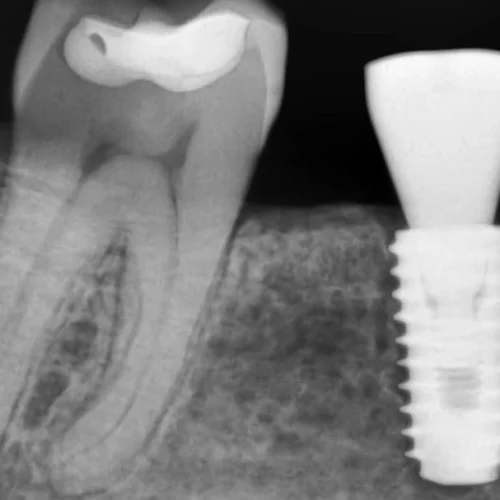
- Dental restorations– Old fillings or crowns that no longer match surrounding teeth.
4. Is Yellow Always a Problem?
Not necessarily. A slightly yellow tone is often a sign of strong, healthy dentin under your enamel. However, if discoloration is sudden, uneven, or linked to pain or sensitivity, it may indicate an underlying problem that needs a dentist’s attention.
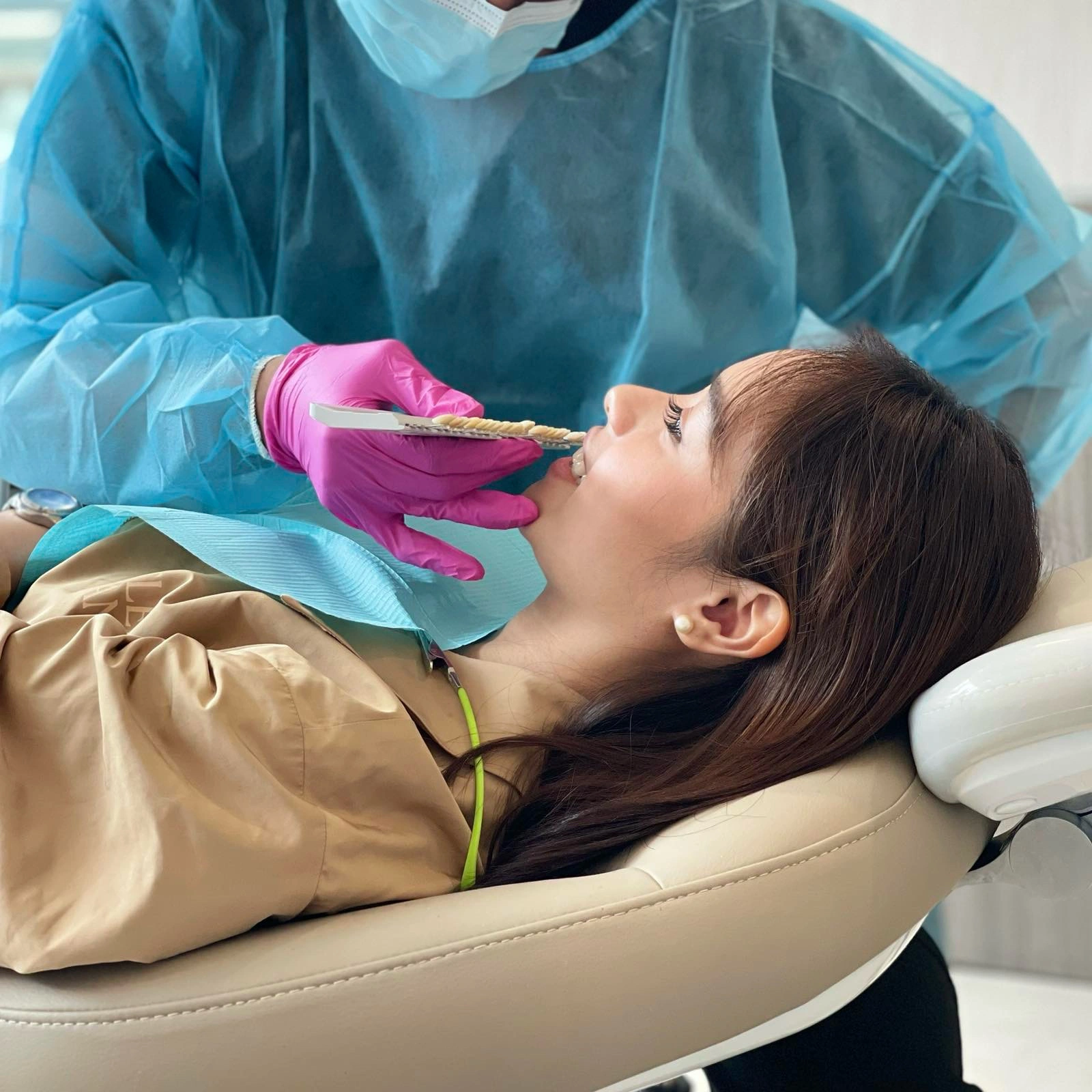
5. How Dentists Measure Tooth Color
In cosmetic and restorative dentistry, matching tooth shades is an exact science. Dentists use:
- Shade guides – Standardized tabs (like the Vita Classical A1–D4 system) to select the closest match.
- Digital shade matching – Advanced tools that analyze teeth under controlled lighting.
- Photography – High-resolution images to ensure restorations blend seamlessly with natural teeth.

6. Can Yellow Teeth Be Treated?
Yes—but treatment depends on the cause. Not all yellowing requires whitening or crowns. In many cases, simple professional cleaning already makes a big difference.
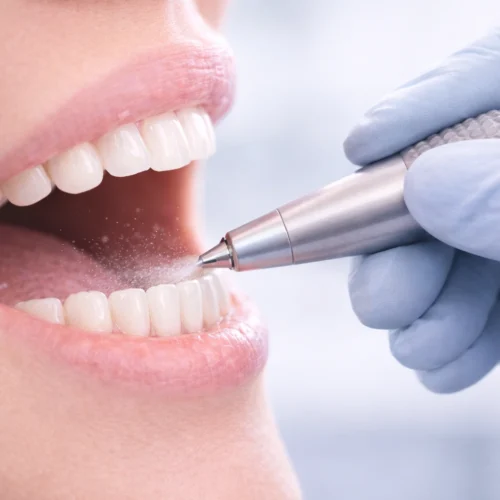
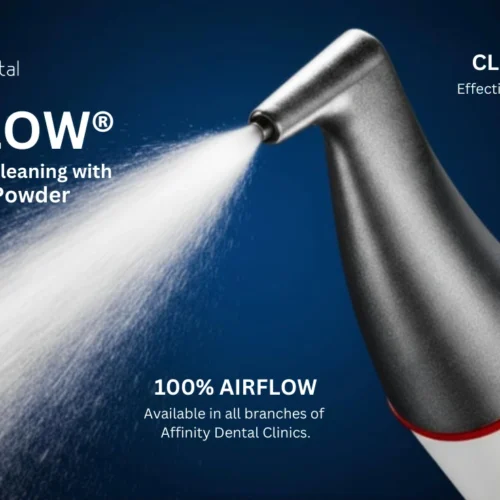
- Professional Cleaning with AIRFLOW® Prophylaxis– At Affinity Dental Clinics, all branches are equipped with AIRFLOW® technology, which uses a gentle stream of air, warm water, and fine erythritol powder to remove stains and biofilm.– Unlike traditional polishing, AIRFLOW® is painless and safe for enamel, veneers, and orthodontic appliances.– It is often the first step to restore your natural tooth shade before considering whitening.
- Whitening Treatments– If discoloration goes beyond surface stains, in-office whitening can safely lighten teeth by several shades in one visit. At Affinity, whitening is performed only by licensed dentists to protect enamel and gums.
- Microabrasion– For localized enamel stains, such as white or brown spots.
- Veneers or Crowns– When discoloration is deep or resistant, tooth-colored restorations may be recommended to achieve a uniform shade.

7. The Balance Between White and Natural
The most beautiful smiles aren’t the brightest white—they’re the ones that look natural, healthy, and in harmony with your face. Teeth that are too white can appear artificial, especially when they don’t match the whites of the eyes or overall complexion.
Dentistry today is about balance: creating a smile that fits you, not just a shade chart.