Porcelain Veneers or Zirconia Crowns? Choosing the Right Treatment for Your Smile
When it comes to restoring or enhancing your smile, two of the most popular treatments often recommended by dentists are porcelain veneers and zirconia crowns. Both can dramatically improve the appearance and function of your teeth, but they are used in different situations and serve different purposes. Understanding their distinctions will help you make an informed decision together with your dentist.
What Are Porcelain Veneers?
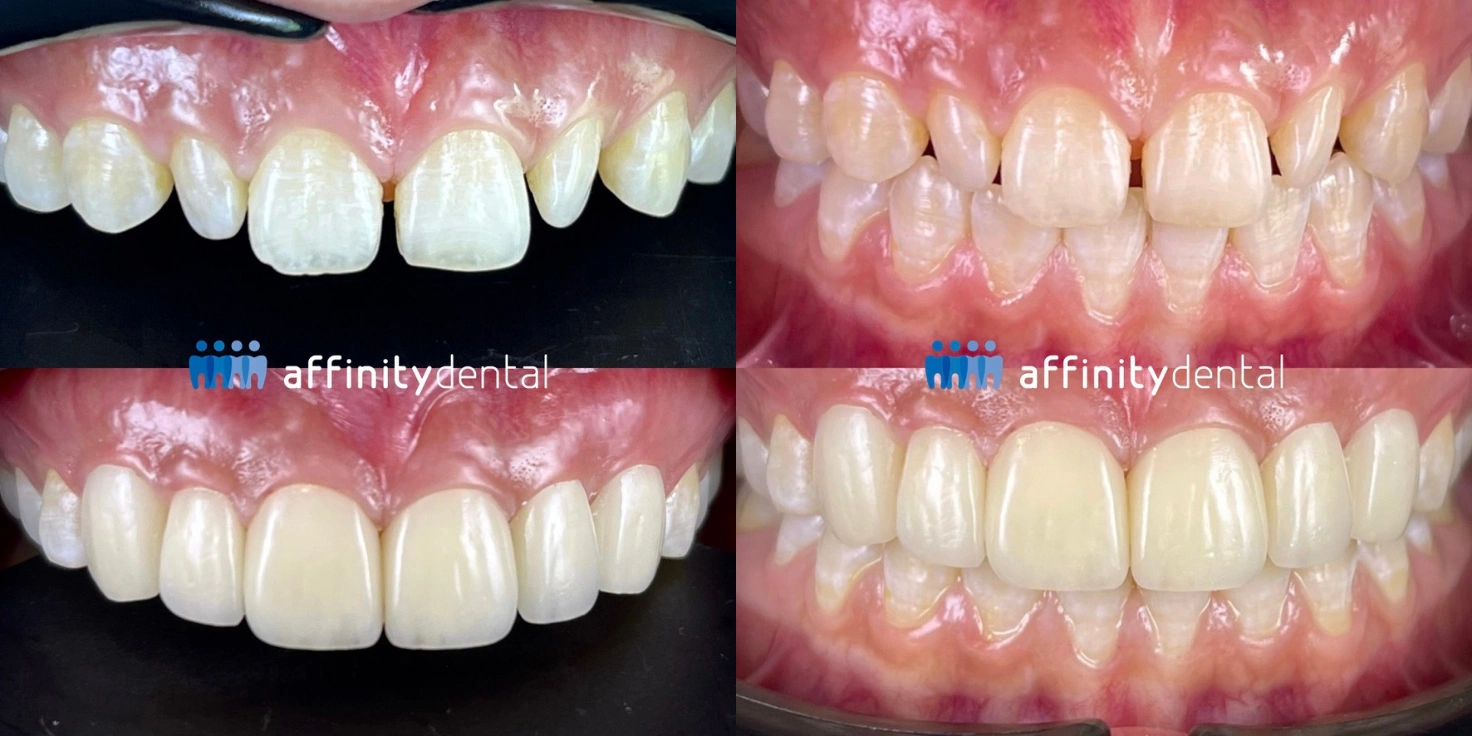
Porcelain veneers are thin, custom-made shells of ceramic material bonded to the front surface of teeth. They are designed primarily to improve aesthetics—correcting issues such as:
- Tooth discoloration that cannot be resolved with whitening
- Minor misalignments or small gaps between teeth
- Irregular tooth shape or size
- Worn or chipped enamel
Because veneers cover only the visible front side of a tooth, they are considered a conservative option compared to crowns. Dentists usually remove only a very thin layer of enamel before placing them.
Advantages of Veneers
- Highly aesthetic: mimic the translucency of natural enamel
- Minimal tooth reduction needed
- Long-lasting with proper care (often 10–15 years)
- Resistant to staining
Limitations of Veneers
- Not ideal for teeth with significant decay or structural damage
- Can chip or crack if subjected to strong biting forces
- Require excellent oral hygiene and maintenance
What Are Zirconia Crowns?
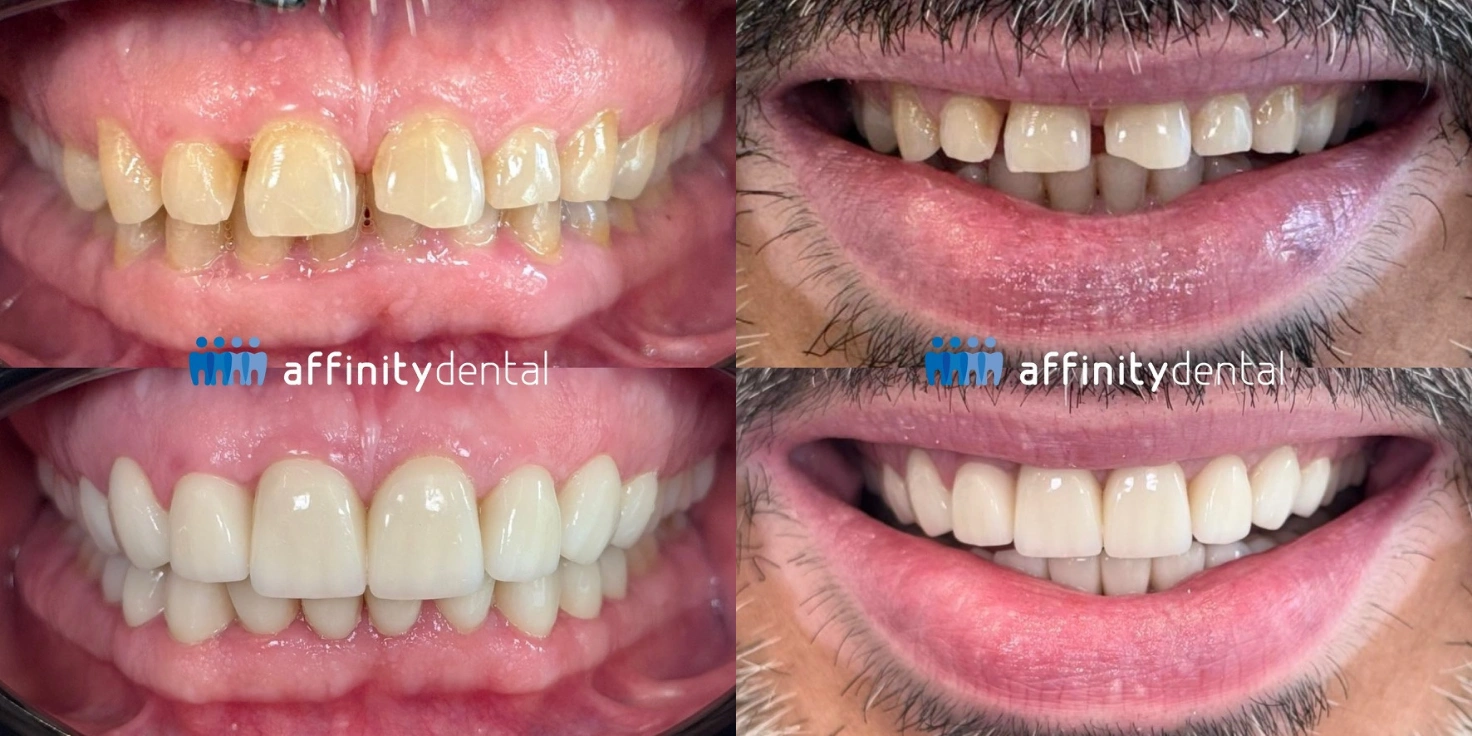
Zirconia crowns are full-coverage restorations made of zirconium dioxide, a high-strength ceramic. Unlike veneers, which only cover the front, crowns encase the entire tooth. They are generally recommended when teeth need both aesthetic improvement and structural reinforcement.
Zirconia crowns are often used for:
- Severely decayed or broken teeth
- Teeth that have undergone root canal treatment
- Restorations requiring greater strength (molars, back teeth)
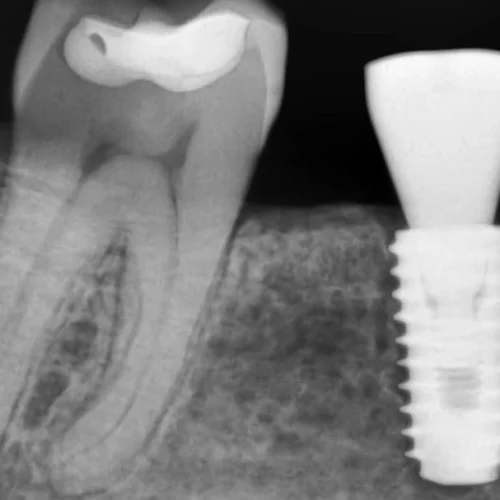
- Long-span bridges and implant restorations
Advantages of Zirconia Crowns
- Extremely durable and fracture-resistant
- Biocompatible—well-tolerated by gum tissues
- Excellent for both front and back teeth
- Can be layered with porcelain for lifelike aesthetics
Limitations of Zirconia Crowns
- Require more tooth reduction than veneers
- Can feel bulkier than natural teeth if not designed properly
- More expensive than traditional metal-ceramic crowns
Porcelain Veneers vs. Zirconia Crowns: A Direct Comparison
| Feature | Porcelain Veneers | Zirconia Crowns |
|---|---|---|
| Coverage | Front surface only | Full tooth coverage |
| Primary Purpose | Aesthetic enhancement | Strength + aesthetics |
| Tooth Reduction | Minimal | Moderate to significant |
| Best For | Minor cosmetic issues | Severely damaged, decayed, or root canal-treated teeth |
| Durability | 10–15 years (with care) | 15–20+ years (with care) |
| Strength | Good for front teeth | Excellent for front and back teeth |
Which One Is Right for You?
- Choose Veneers if… your teeth are mostly healthy but you want a smile makeover to fix discoloration, chips, or minor alignment issues.
- Choose Zirconia Crowns if… your teeth are compromised by decay, large fillings, fractures, or root canal treatment, and you need strength and protection in addition to aesthetics.
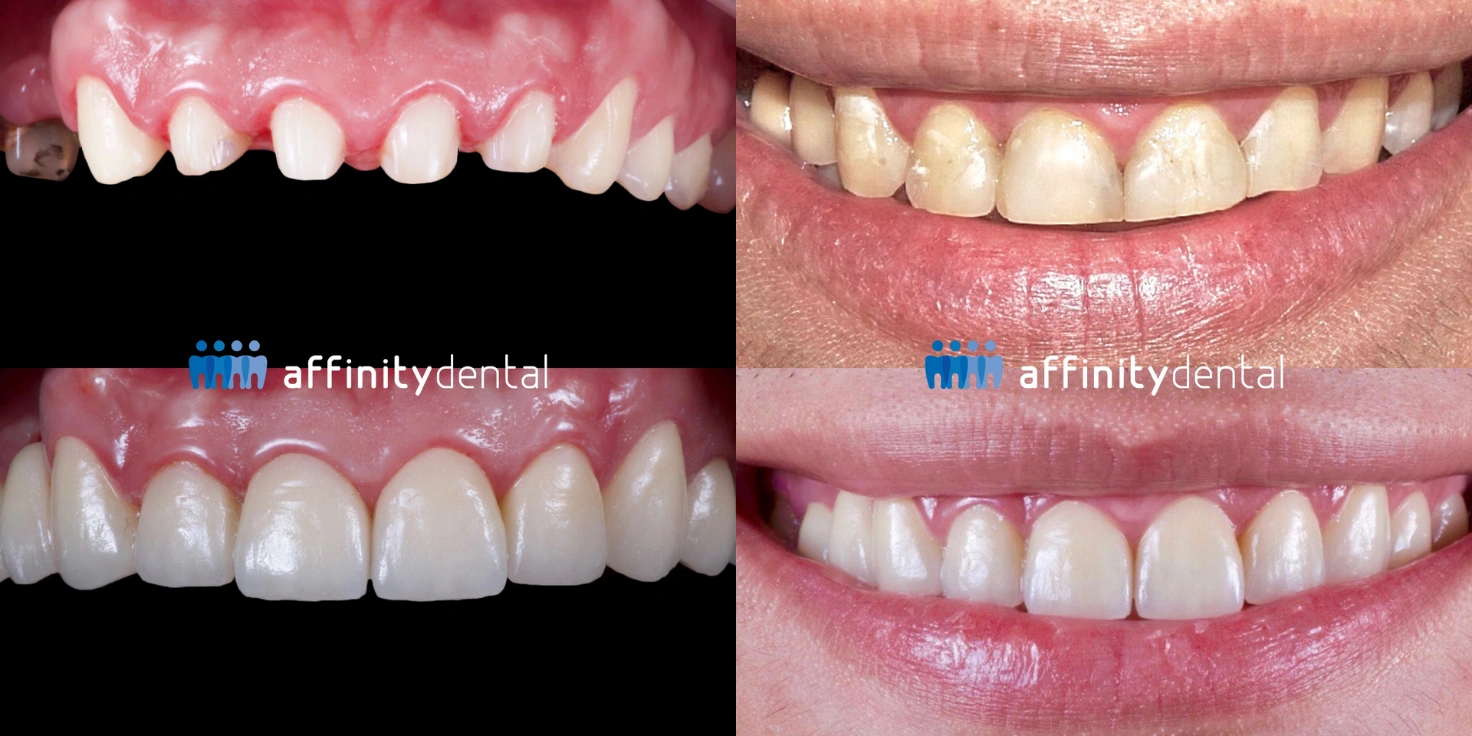
Sometimes, patients may even need a combination—veneers on certain front teeth and crowns on others—depending on the condition of each tooth.
The Role of Expertise and Technology
At modern dental clinics like Affinity Dental Clinics, veneers and zirconia crowns are carefully planned using digital diagnostics, intraoral scanning, and in-house dental laboratories. This ensures precision in fit, shade matching, and overall design. Skilled dentists and ceramists collaborate to create restorations that are both durable and naturally beautiful.
Final Thoughts
Both porcelain veneers and zirconia crowns are excellent options for transforming your smile. The decision isn’t about which is “better,” but rather which is more appropriate for your specific dental condition and goals. With the guidance of an experienced dentist, you can choose the treatment that provides the right balance of strength, beauty, and longevity—helping you smile with confidence for years to come.