Guided Implant Surgery: Precision, Safety, and Confidence in Dental Implants
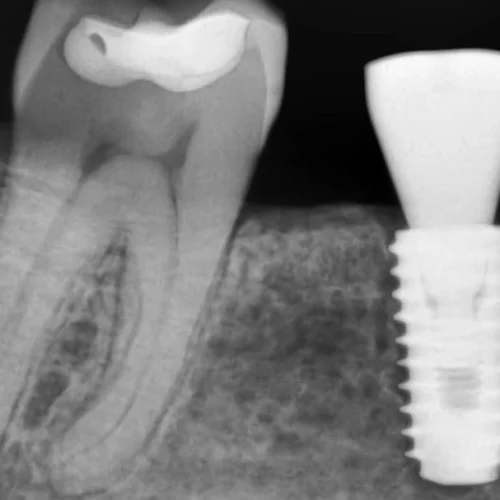
Dental implants have transformed modern dentistry, offering patients a reliable and long-lasting solution to missing teeth. But while implants are already highly successful, innovations in technology continue to improve the way they are planned and placed. One of the most significant advances in recent years is Guided Implant Surgery—a method that combines digital imaging, 3D planning, and surgical precision to make implant treatment safer, faster, and more predictable.
At Affinity Dental Clinics, guided surgery is part of our commitment to excellence. By using advanced digital tools like CBCT scans, intraoral scanning, and 3D-printed surgical guides, our oral surgeons can place implants with exceptional accuracy and confidence.

What is Guided Implant Surgery?
Guided implant surgery is a digitally planned and executed approach to dental implant placement. Instead of relying solely on clinical experience and visual judgment during surgery, dentists use 3D imaging and computer software to map out the exact location, depth, and angle of each implant before the procedure begins.
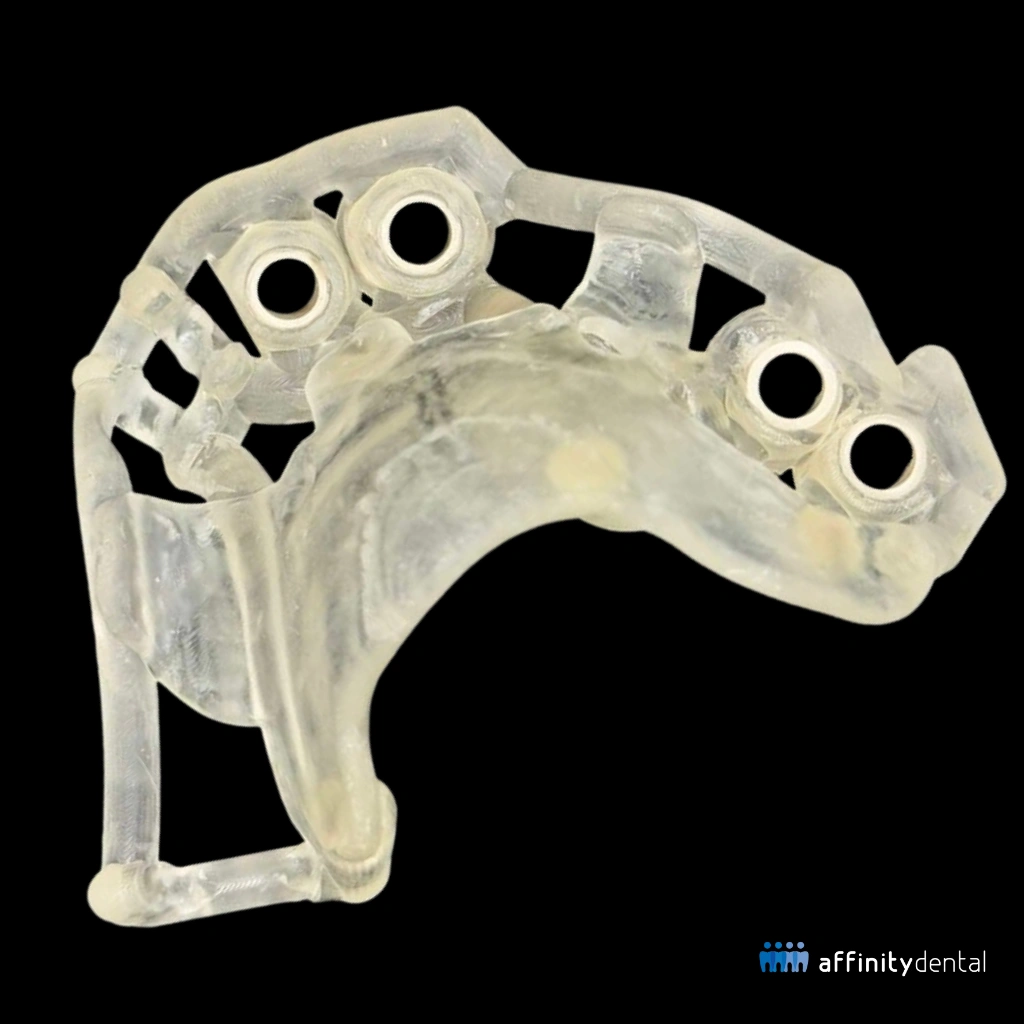
A custom surgical guide—a 3D-printed template—is then created to ensure that the plan is followed precisely during surgery. This means the implant goes exactly where it should, reducing risks and improving long-term outcomes.
How Guided Implant Surgery Works
The process involves several important steps:
- Digital Imaging and Diagnostics – A Cone Beam CT (CBCT) scan captures a 3D view of your jawbone, teeth, and surrounding structures. An intraoral scanner or impression is also taken to record the bite and soft tissues.
- Treatment Planning – Specialized software combines the data, allowing the dentist to plan the ideal implant position virtually—taking into account bone density, available space, nerves, and sinus location.
- 3D-Printed Surgical Guide – A guide is fabricated using 3D printing. This fits over your teeth or gums during surgery, with built-in sleeves that direct the drill to the pre-planned position and angle.
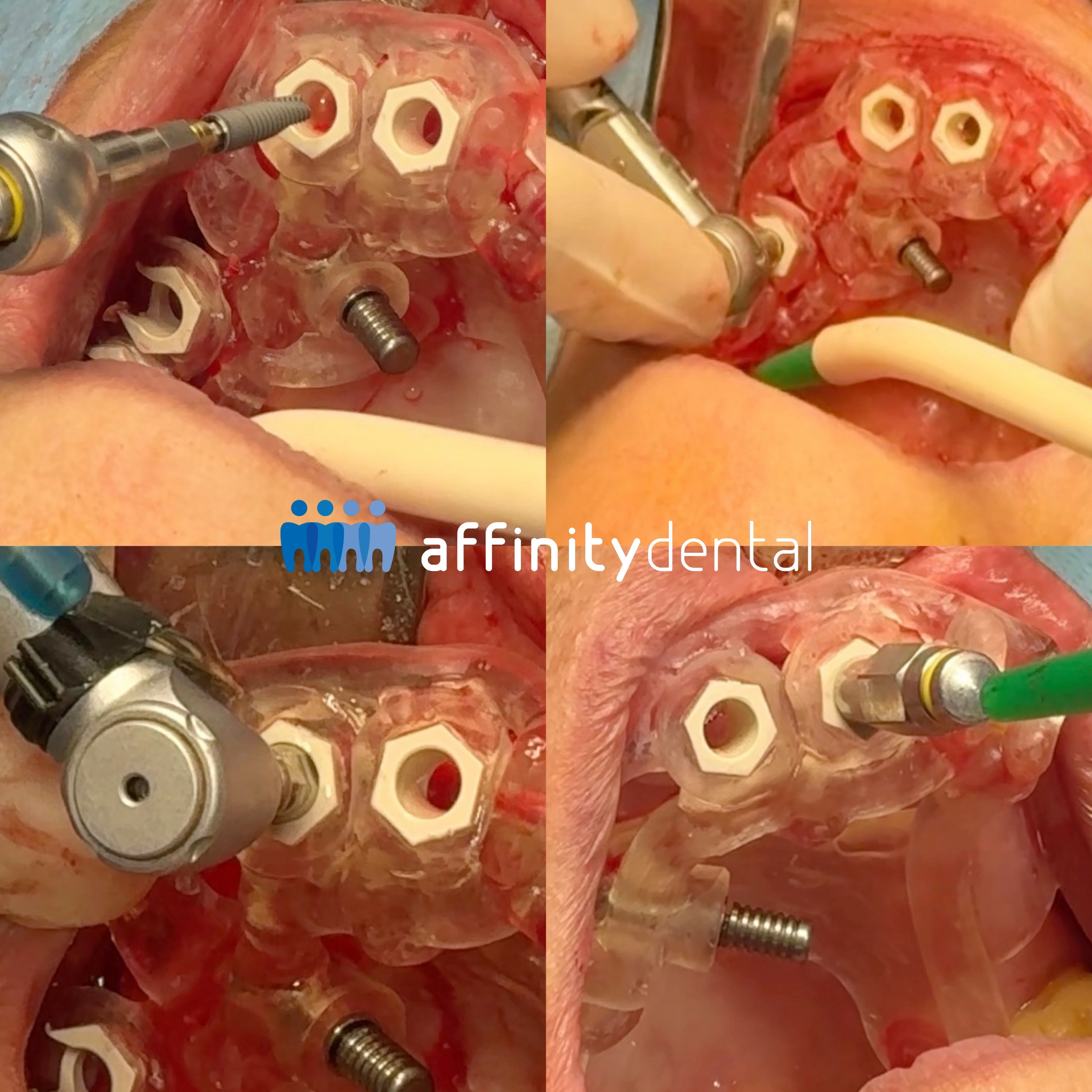
- Surgical Placement –With the guide in place, the oral surgeon can insert the implant exactly as planned. The surgery is typically quicker and involves less manipulation of the bone and gum.
Benefits of Guided Implant Surgery
Guided surgery has become the gold standard in many implant cases because of the advantages it offers:
- Higher Accuracy – Implants are placed exactly where the dentist planned them, improving stability and long-term success.
- Safer Procedure – Sensitive structures such as nerves and sinuses are avoided with confidence.
- Minimally Invasive – Smaller incisions and less trauma mean faster recovery and less discomfort.
- Predictable Results – Patients and dentists alike can expect precise, consistent outcomes.
- Shorter Chair Time – The surgery is more efficient, reducing time spent in the dental chair.
- Better Aesthetics – Because implant placement is carefully mapped, the final crowns or bridges align more naturally with the smile.
Who Can Benefit from Guided Implant Surgery?
While not every case requires a surgical guide, many patients benefit from it, especially those who:
- Have limited bone availability
- Need multiple implants or full-arch restorations
- Want highly aesthetic results in the front teeth
- Require surgery near sensitive anatomical areas (nerves, sinuses)
- Prefer a minimally invasive procedure
At Affinity Dental Clinics, our oral surgeons evaluate each case carefully and recommend guided surgery when it will provide the best possible outcome.
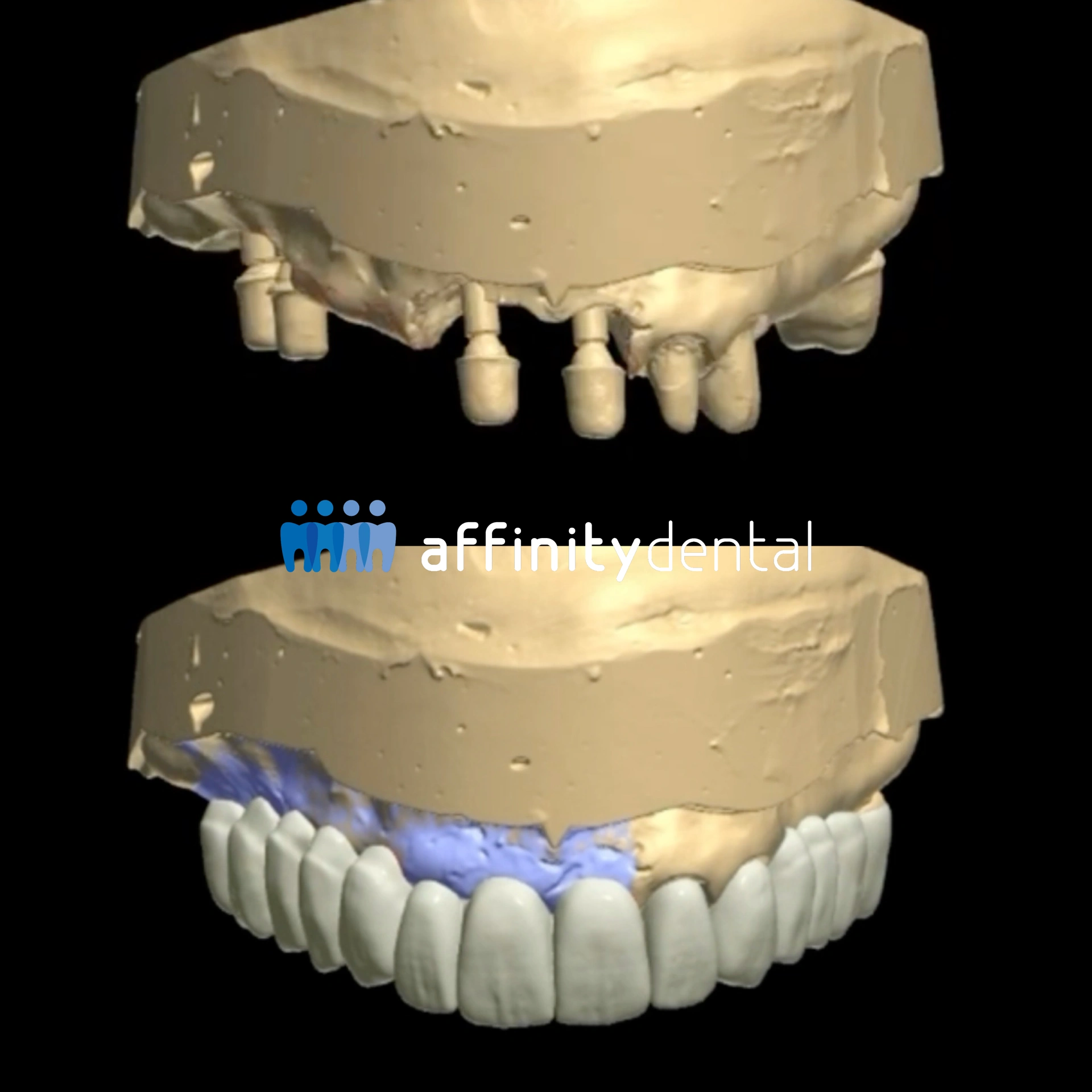
Guided vs. Conventional Implant Surgery
Traditional implant placement relies heavily on the surgeon’s skill, anatomical knowledge, and visual cues during the procedure. While highly experienced oral surgeons can achieve excellent results this way, guided surgery provides an extra layer of security and precision—especially in complex or esthetically demanding cases.
In short: conventional surgery depends on surgical expertise, while guided surgery enhances expertise with digital precision.
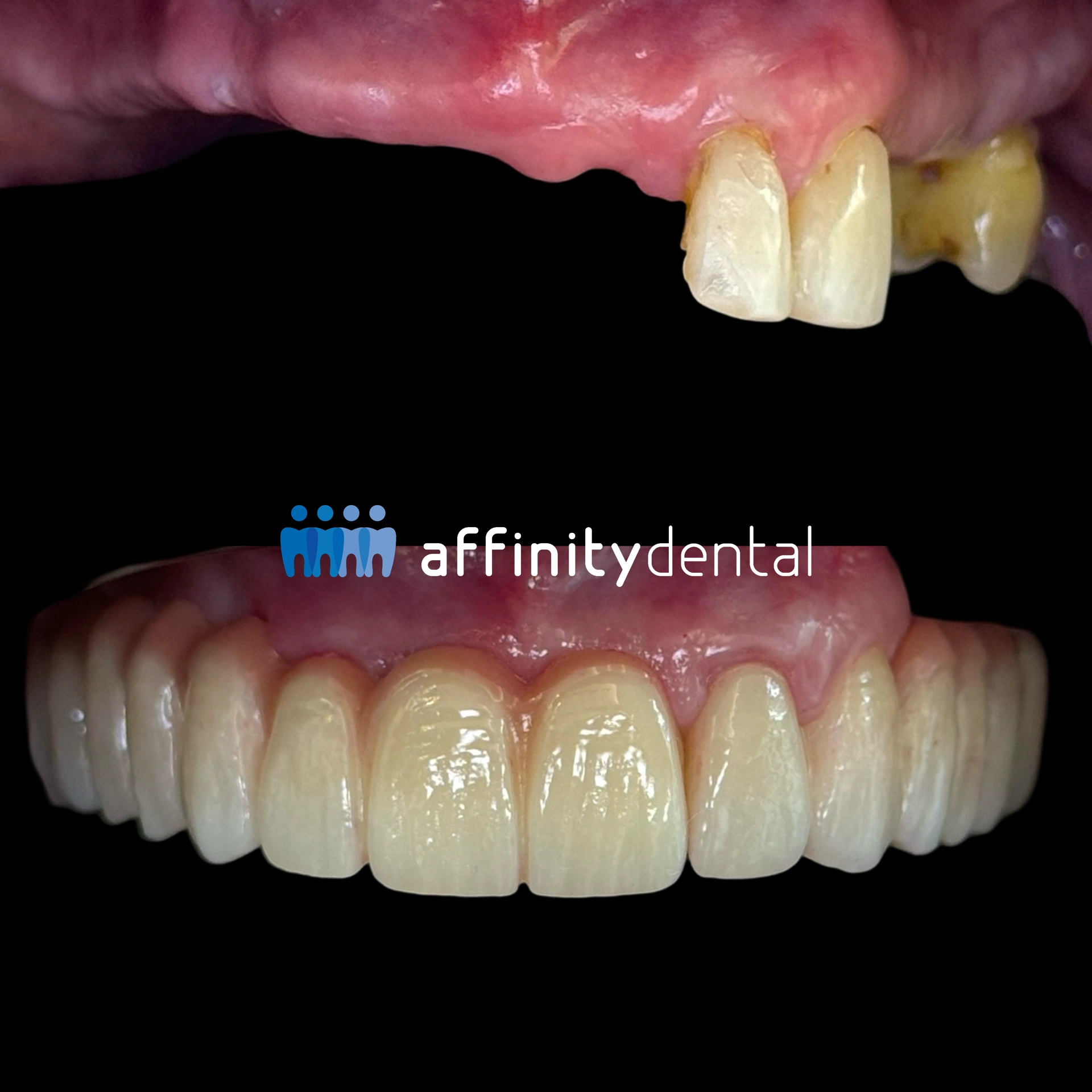
Technology at Affinity Dental Clinics
Our clinics are equipped with the latest diagnostic and surgical tools to ensure the highest standards in implant care:
- CBCT Scan (available at Affinity Dental Clinics Makati)
- Intraoral Digital Scanners for precise impressions
- In-house Dental Laboratory with 3D printing technology
- Dedicated Operating Rooms designed for oral surgeries
This combination of technology, surgical expertise, and laboratory support makes guided implant surgery a seamless experience for our patients.
Recovery and Aftercare
Because guided implant surgery is less invasive, recovery is often quicker compared to conventional methods. Most patients experience:
- Mild swelling or discomfort for a few days
- Shorter healing times
- A faster return to normal activities
Affinity Dental provides detailed post-operative instructions and continuous follow-up to ensure healing progresses smoothly.

Why Choose Affinity Dental Clinics?
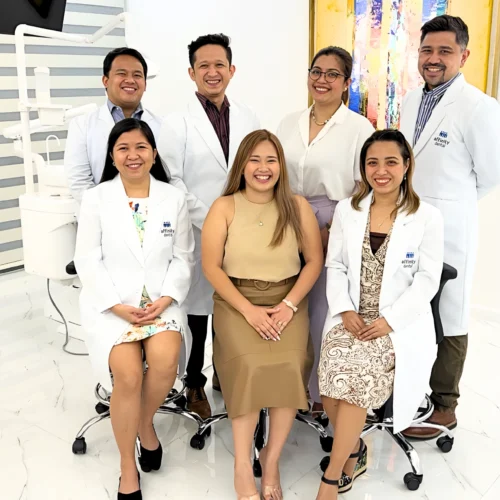
Since 2008, Affinity Dental Clinics has been trusted by patients in the Philippines and abroad for ethical, evidence-based, and expert care. With thousands of implant cases performed, our oral surgeons combine clinical experience with the latest technology to deliver outstanding outcomes.
Guided implant surgery reflects our philosophy: doing what’s right for the patient—safely, predictably, and with the highest standards of care.
Conclusion
Guided implant surgery represents the future of implant dentistry—where technology, expertise, and patient-centered care come together. Whether you need a single implant or a full-arch restoration, guided surgery ensures precision, safety, and long-lasting results.
At Affinity Dental Clinics, we believe that every smile deserves this level of care.