AIRFLOW vs Air Polishing: What’s the Difference in Dental Cleaning?
Why You Should Know Before Your Next Dental Visit

Have you ever been offered an AIRFLOW cleaning but weren’t sure what it really meant?
These days, many dental clinics are offering advanced cleaning options. One popular term patients hear is AIRFLOW—a high-tech, gentle way to remove stains and plaque. But in some cases, what’s described as “AIRFLOW” might actually be a standard air polishing procedure using different machines and powders.
While both treatments are designed to clean teeth, there are important differences. And as a patient, it’s helpful to know what those are—especially when comfort, safety, and results matter.
What Is AIRFLOW?
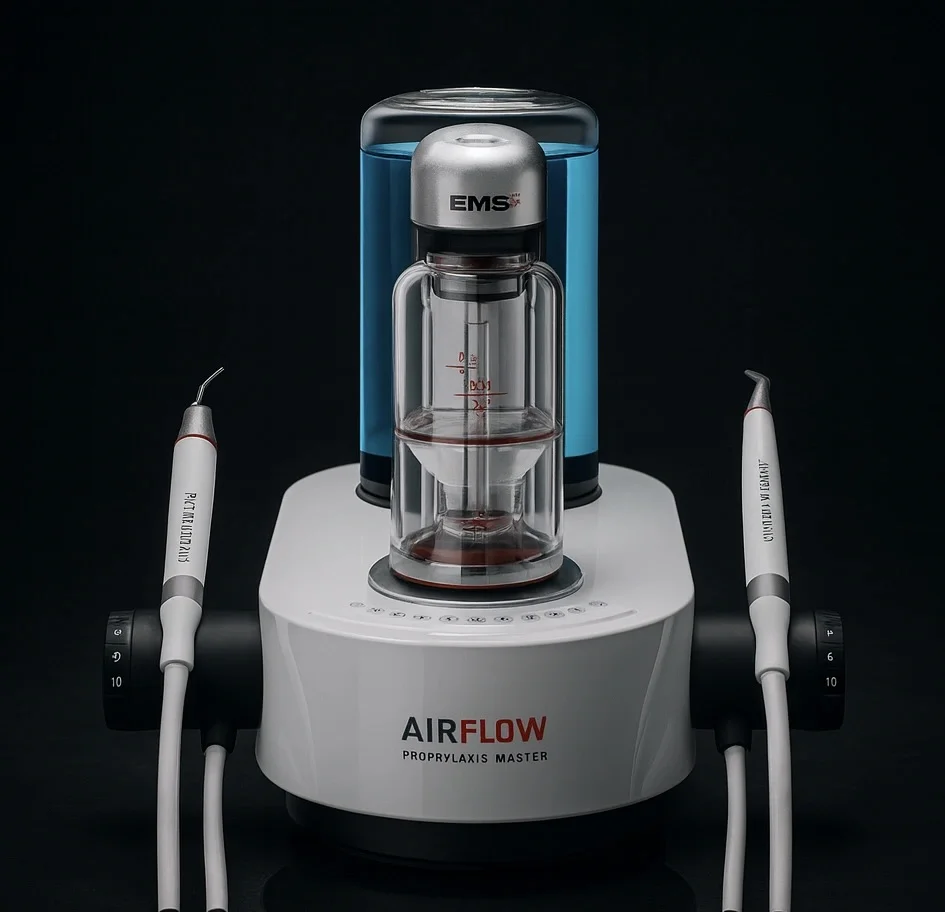
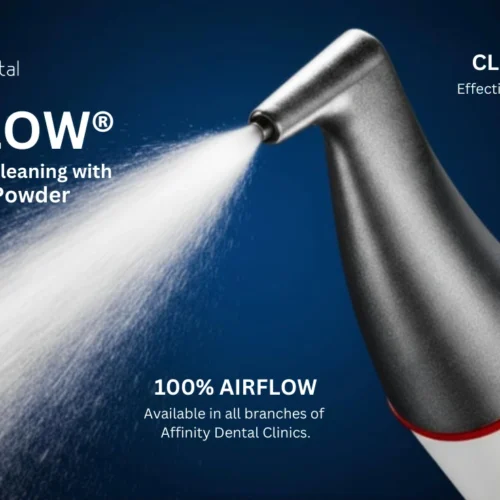
AIRFLOW is a state-of-the-art dental cleaning system developed by EMS (Electro Medical Systems) in Switzerland. It uses a combination of air, warm water, and a gentle powder to remove plaque, biofilm, and surface stains from teeth and gums.
AIRFLOW is part of a modern, research-backed approach called Guided Biofilm Therapy (GBT). This technique involves:
-
- Disclosing the biofilm with a special dye
-
- Gently removing it using a specialized AIRFLOW device
-
- Finishing with scaling only where needed
AIRFLOW is safe to use on:
-
- Natural teeth
-
- Braces
-
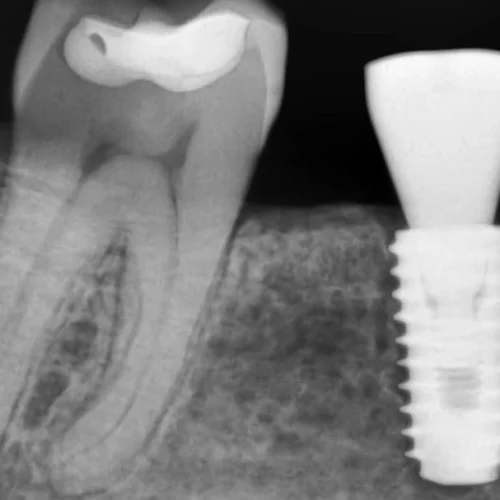
- Dental implants
-
- Veneers and crowns
-
- Sensitive gums
It’s known for being quick, comfortable, and minimally invasive—with many patients reporting that AIRFLOW feels less “scratchy” or “gritty” than traditional cleanings.
What Is Air Polishing?
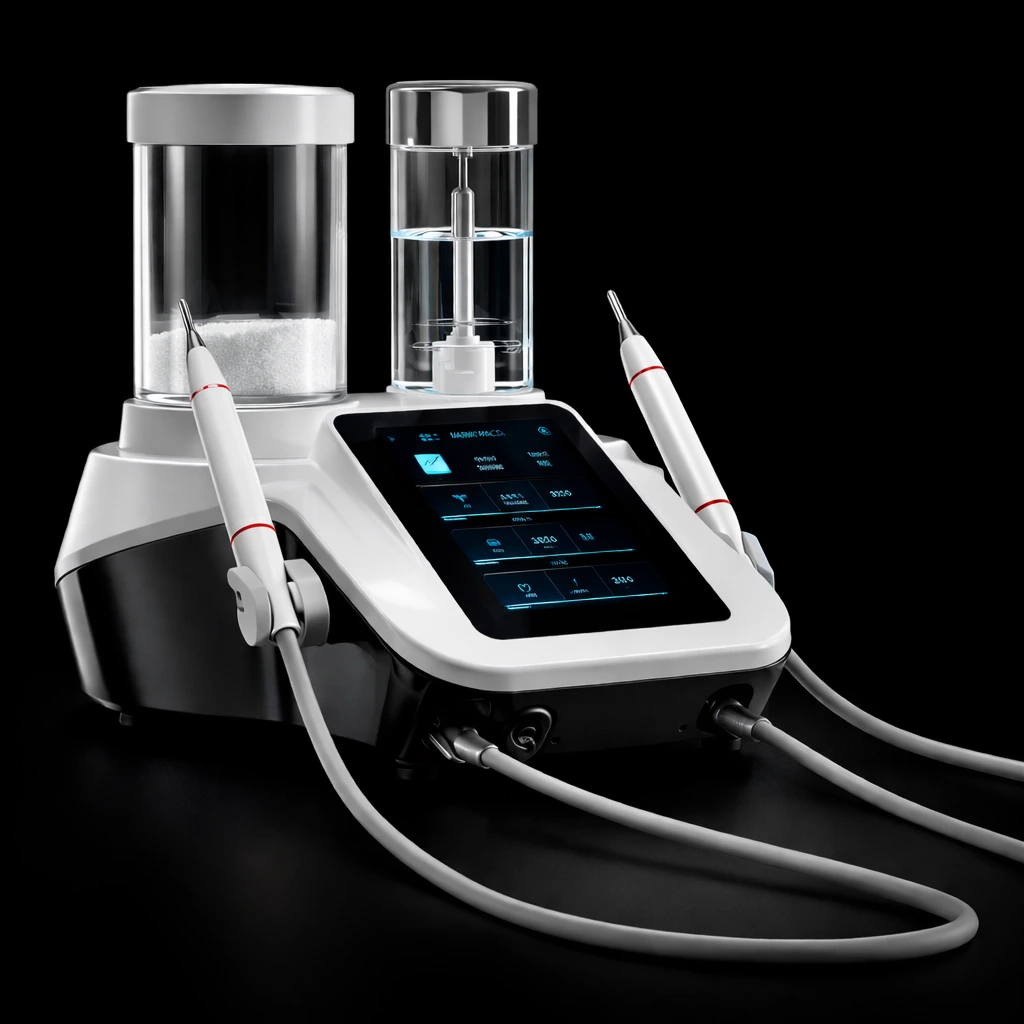
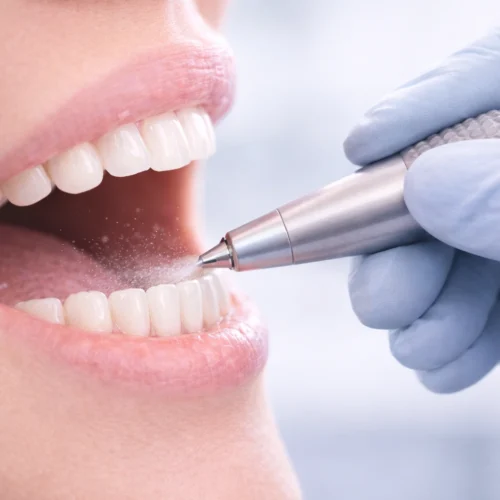
Air polishing is a general cleaning technique that also uses air, water, and powder to remove stains and plaque. These machines may look similar to AIRFLOW and are often attached to the dental chair.
However, air polishing systems vary by brand and may:
-
- Use different powders (not always labeled)
-
- Deliver cold water (instead of warm)
-
- Lack standardized protocols like Guided Biofilm Therapy
Air polishing can still be effective, but the experience and safety level may differ depending on the system used.
Key Differences: AIRFLOW vs Air Polishing
| Feature | AIRFLOW® (by EMS) | Generic Air Polishing |
| System Type | Registered medical device | General dental machine |
| Powder Used | Medical-grade, branded erythritol or glycine | May be unlabeled or unknown powder |
| Comfort Level | Warm water and fine powder for sensitive teeth | Cold water and varied powder texture |
| Safety | Tested for safety during inhalation and ingestion | Composition may be unclear or untested |
| Protocol | Part of Guided Biofilm Therapy (GBT) | Operator technique may vary |
| Suitability for Restorations | Safe for veneers, implants, and crowns | May be too abrasive depending on powder |
| Cleaning Efficiency | More precise due to biofilm disclosure | Focused on surface cleaning only |
| Aerosol Control | Designed with proper HVE suction and powder safety | Aerosol spread may vary by equipment |
| Comfort for Anxious Patients | Very gentle, ideal for sensitive cases | May feel more intense or gritty |
Are the Costs the Same?
Yes—usually.
At most dental clinics, the cost of AIRFLOW and regular air polishing are about the same. If you’re paying for a cleaning labeled as “AIRFLOW,” it’s worth asking:
-
- “Is this the EMS AIRFLOW system?”
-
- “Are you using medical-grade AIRFLOW powders like erythritol?”
Patients should know what they’re receiving, especially when the price is comparable.
Why Powder Composition Matters
During both AIRFLOW and air polishing, a fine powder is used to clean your teeth. But did you know that this powder can be inhaled or even ingested during the procedure?
That’s why powder composition matters.
With AIRFLOW:
-
- The powders are branded, medical-grade, and tested
-
- Their composition is known, safe, and designed to protect enamel and soft tissues
-
- They are formulated to be safe even when small amounts are inhaled or swallowed
With generic air polishing:
-
- Powders may be unlabeled or unclear in origin
-
- Others may not have been tested for inhalation or ingestion safety
Especially with the presence of aerosols during cleaning, knowing what’s in the powder is an important part of patient safety.
So, Which One Is Better?
Both AIRFLOW and air polishing are legitimate tools used in dental care. But when it comes to:
-
- Comfort
-
- Safety
-
- Consistency
-
- Suitability for sensitive cases
—AIRFLOW often provides a better experience, especially when used as part of Guided Biofilm Therapy.
How to Know What You’re Getting
You can gently ask your clinic:
-
- “Is this AIRFLOW by EMS?”
-
- “What powder are you using?”
-
- “Is the water warm during the procedure?”
These aren’t confrontational questions. You’re simply making an informed choice about your oral health.
Final Thoughts: Choose What’s Right, With the Right Information
Dental cleanings have come a long way. What used to be noisy and uncomfortable can now be gentle, warm, and high-tech.
But not all air cleaning systems are the same—even if they sound like it.
When the cost is the same, you deserve to know whether you’re getting a branded, certified AIRFLOW cleaning or a standard air polishing treatment. Either may be effective, but informed consent and patient comfort should always come first.
At clinics that use genuine AIRFLOW technology, you can expect:
-
- A safer, more comfortable experience
-
- Medical-grade powders tested for your safety
-
- A modern approach to dental hygiene that goes beyond surface stain removal